
This article contains advertisements
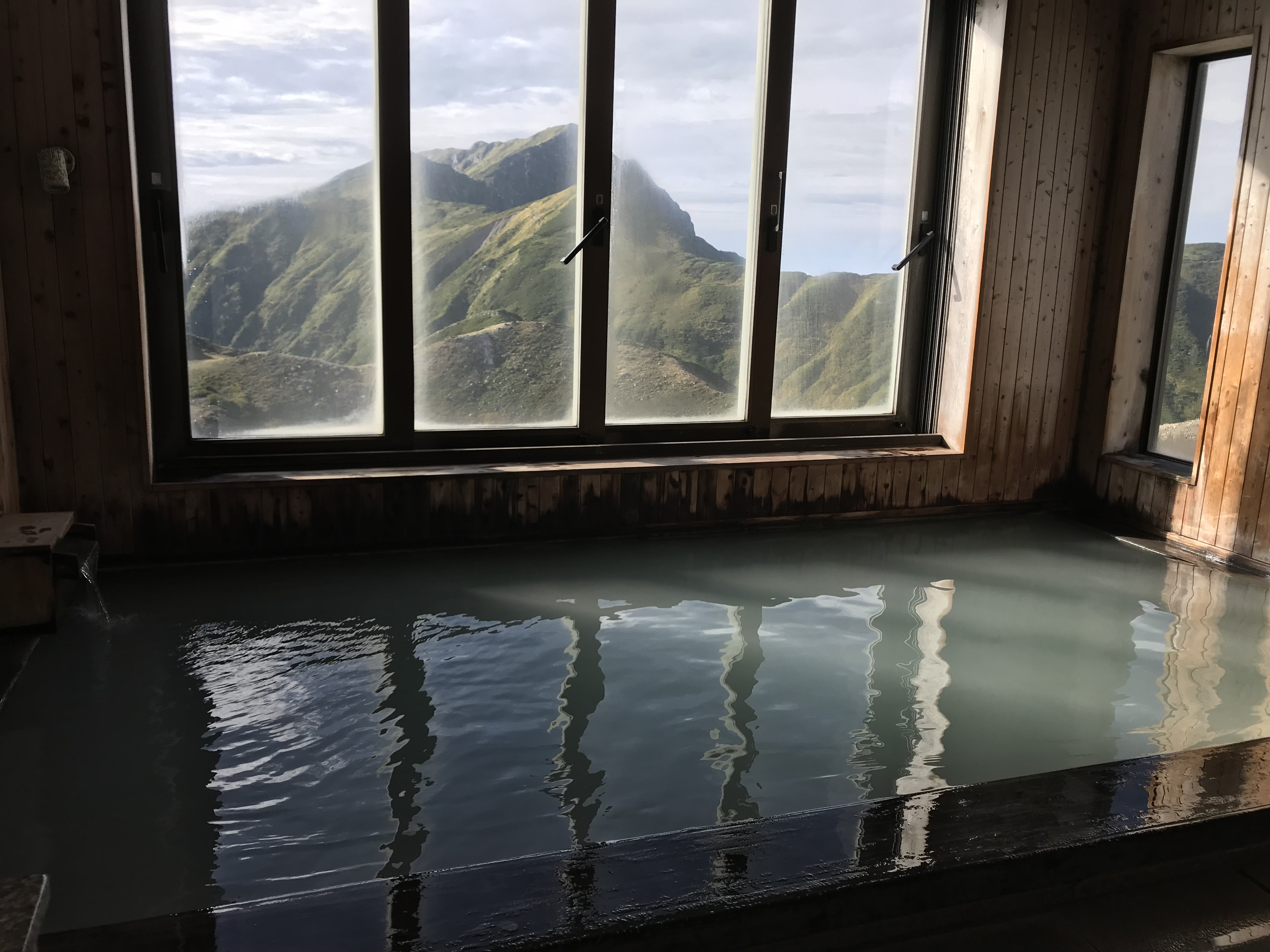
Few hot springs make you earn the journey like Raichoso. It sits on the Murodo plateau, at about 2,450 m on the Tateyama Kurobe Alpine Route, and the only way in is by a chain of cable cars, ropeways and buses, followed by a walk across alpine terrain. At the end, a hot spring bath looks out through a big window at the Tateyama peaks.
Why Raichoso stands out:
- An alpine setting you can only reach by cable car, ropeway and a 30–40 minute walk
- A viewing bath with a large window facing the surrounding peaks
- Fresh, slightly cloudy sulfur water brought from the Jigokudani volcanic valley
- Surprisingly generous meals for a mountain hut, including a breakfast buffet
Raichoso
| Address | 125 Ashikuraji, Tateyama-machi, Nakaniikawa-gun, Toyama 930-1406, Japan (Murodo-daira, Tateyama) |
|---|---|
| Phone | +81-76-463-1664 |
| Official Website | raichoso.com |
| Day-use Bathing | ¥1,000 / 11:00–19:00 (leave by 20:00) · Face towel ¥200 |
| Check-in / Check-out | From 12:00 (latest 19:00) / By 9:00 |
| Overnight Rate | From approx. ¥17,000 per person, 2 meals included (private room, 2 guests) |
| Credit Cards | Accepted (VISA / Mastercard / JCB / AMEX / Diners Club); QR payments also supported |
▼Book your stay▼
Getting There from Tokyo — Access Guide
Raichoso is a 30–40 minute walk from Murodo Terminal (2,450 m), the high point of the Tateyama Kurobe Alpine Route. The route can be started from either the Toyama side or the Nagano side, and both reach Murodo.
🚄 From the Toyama Side (Simplest from Tokyo)
Take the Hokuriku Shinkansen from Tokyo to Toyama (about 2–2.5 hours). Change to the Toyama Chihō Railway for Tateyama Station (about 65 minutes). From there the Alpine Route runs by cable car and high-altitude bus up to Murodo, then walk to the inn. Allow about 4 hours to reach the start of the route, plus the ride up.
🚌 From the Nagano Side (the Route I Took)
Take the Hokuriku Shinkansen to Nagano, then an express bus to Ogizawa (about 100 minutes). Alternatively, take the JR Azusa limited express from Shinjuku to Matsumoto and the JR Oito Line to Shinano-Omachi, then a local bus to Ogizawa (about 40 minutes). From Ogizawa, ride the trolley bus to Kurobe Dam, walk across the dam, then take the cable car, ropeway and bus to Murodo.
| Route (Toyama) | Tokyo → Toyama (Shinkansen) → Tateyama (Toyama Chihō Railway) → Murodo (Alpine Route) → 30–40 min walk |
|---|---|
| Route (Nagano) | Tokyo → Nagano or Shinano-Omachi → Ogizawa → Kurobe Dam → Murodo (Alpine Route) → 30–40 min walk |
| JR Pass | ✅ Shinkansen, Azusa and Oito Line covered. The Alpine Route, Toyama Chihō Railway and local buses are not, so budget for separate fares. |
| Season | Alpine Route: mid-April to end of November |
The Journey In
The ride itself is half the experience. I took the Nagano-side route, starting at Ogizawa and passing through Kurobe Dam.
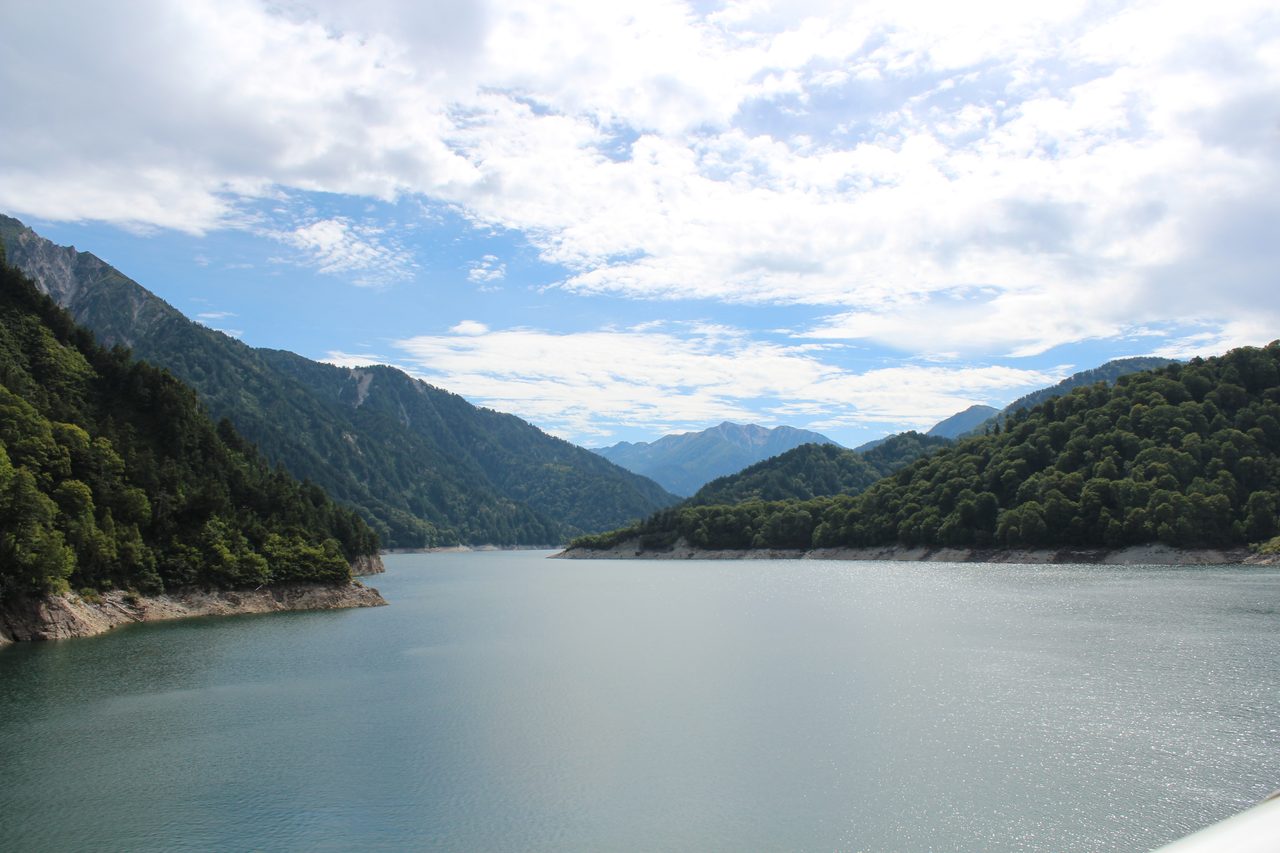
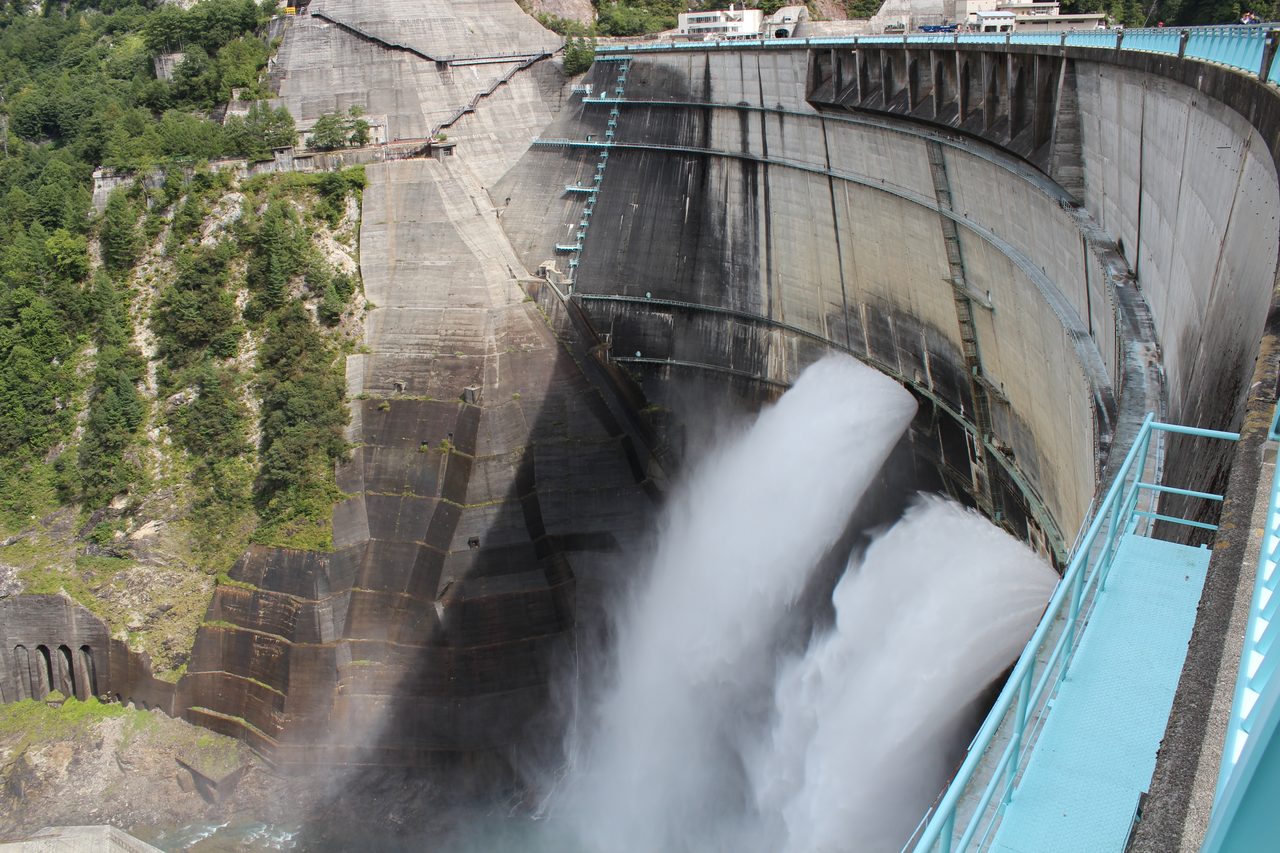
After walking across the dam, I took a cable car up to Kurobedaira, a ropeway to Daikanbo, and finally a bus to Murodo. The long chain of vehicles makes it clear that this place is truly out of the way.
The Walk to the Inn
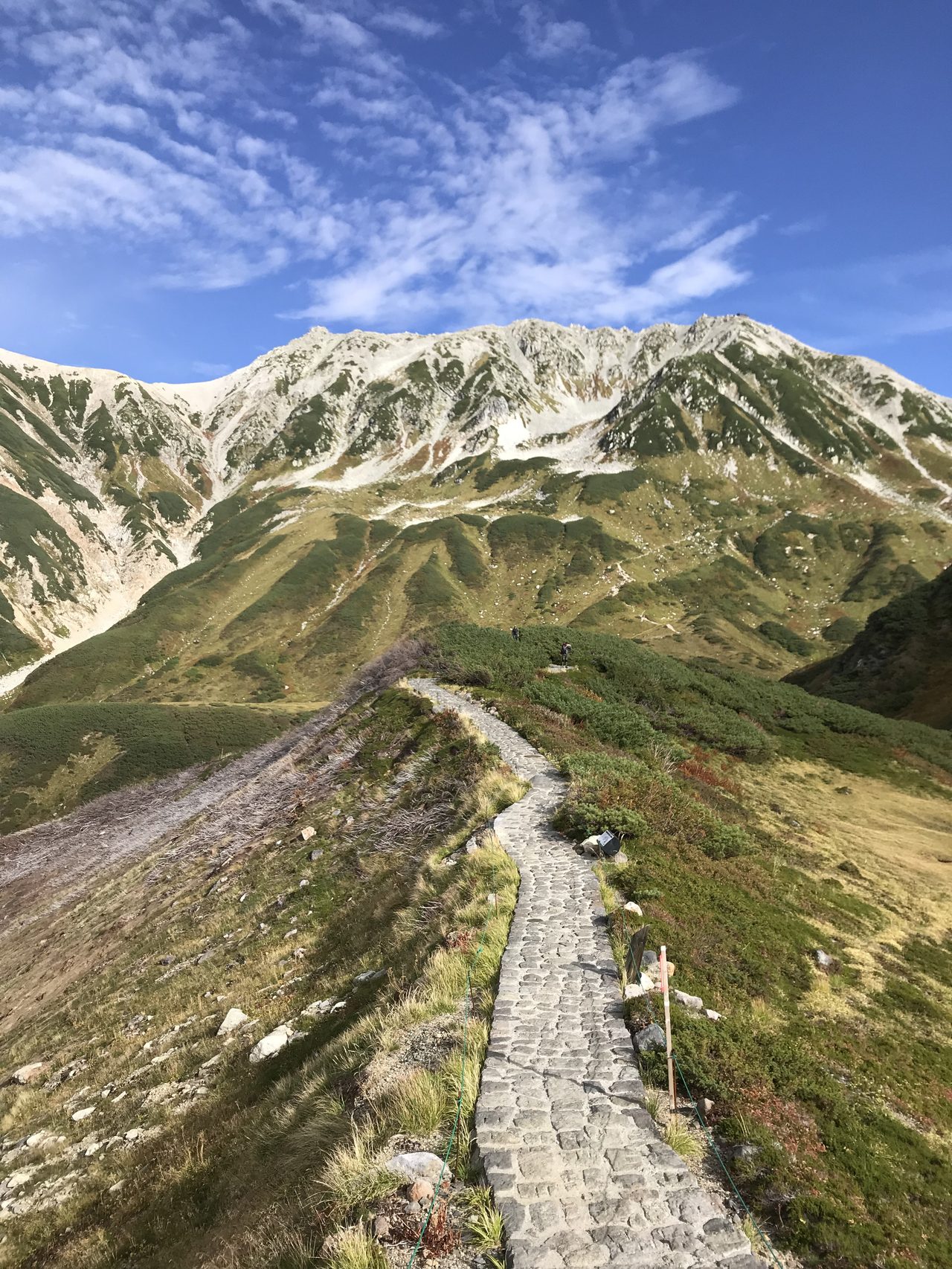
A paved stone path runs from Murodo Terminal, and the scenery begins almost immediately. I visited in late September, when autumn was already creeping in. The walk takes 30–40 minutes, and the path is easy underfoot, but the thin air and the views make you take your time.
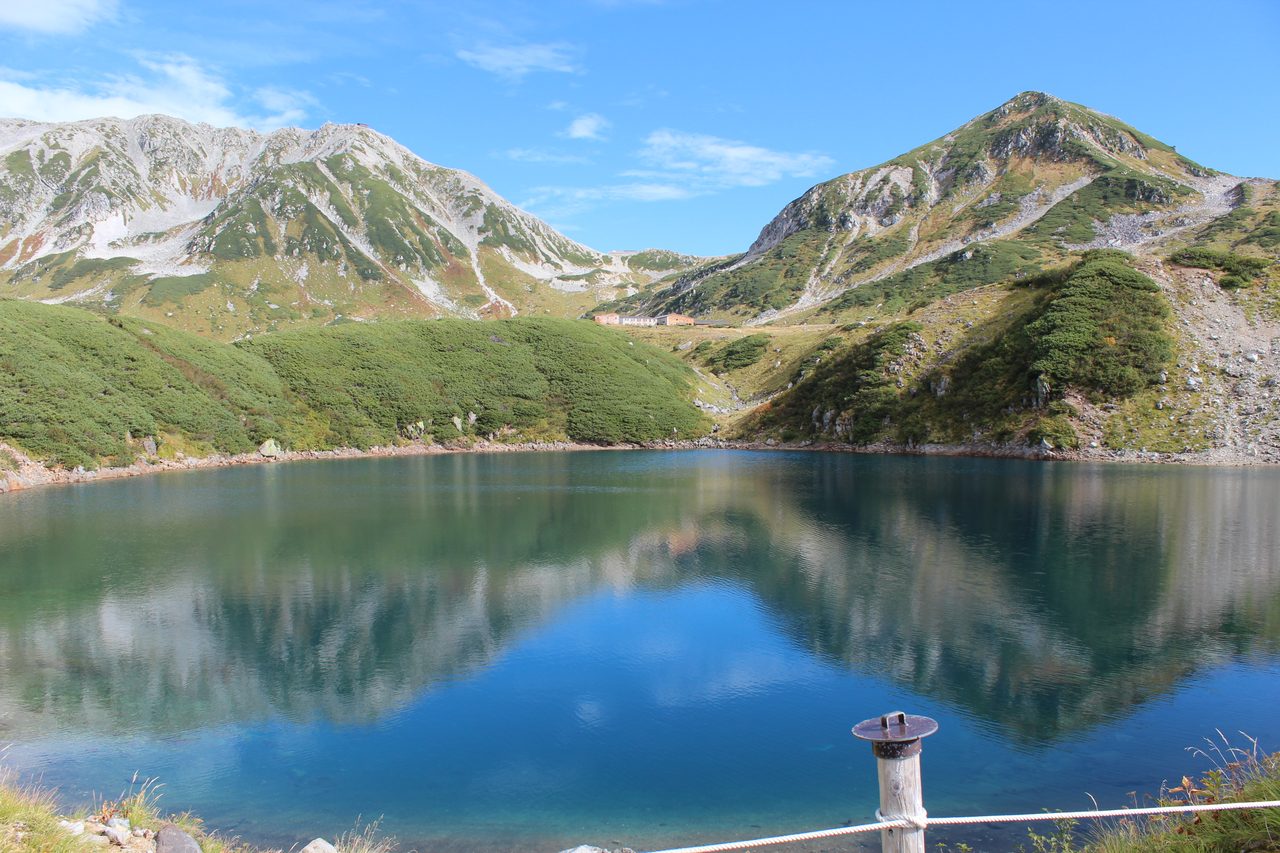
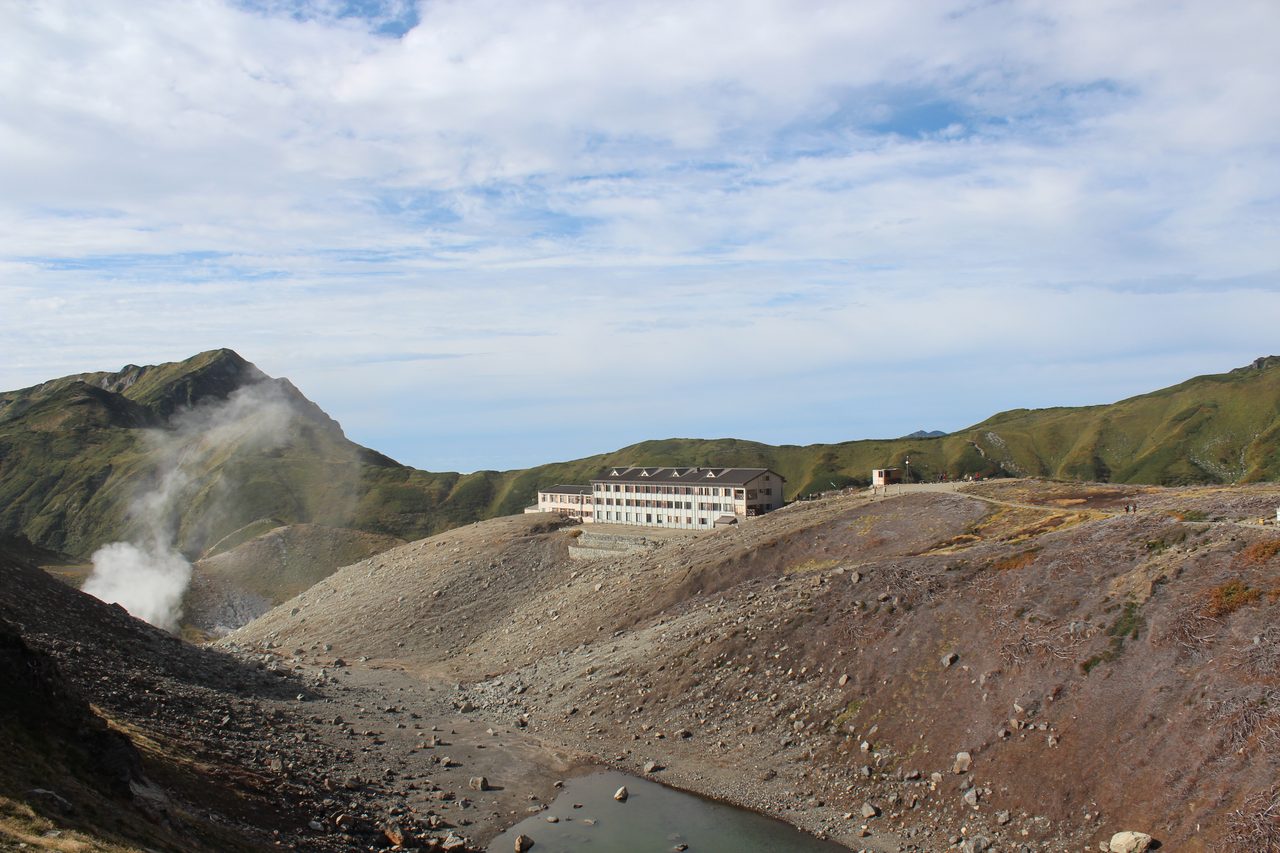
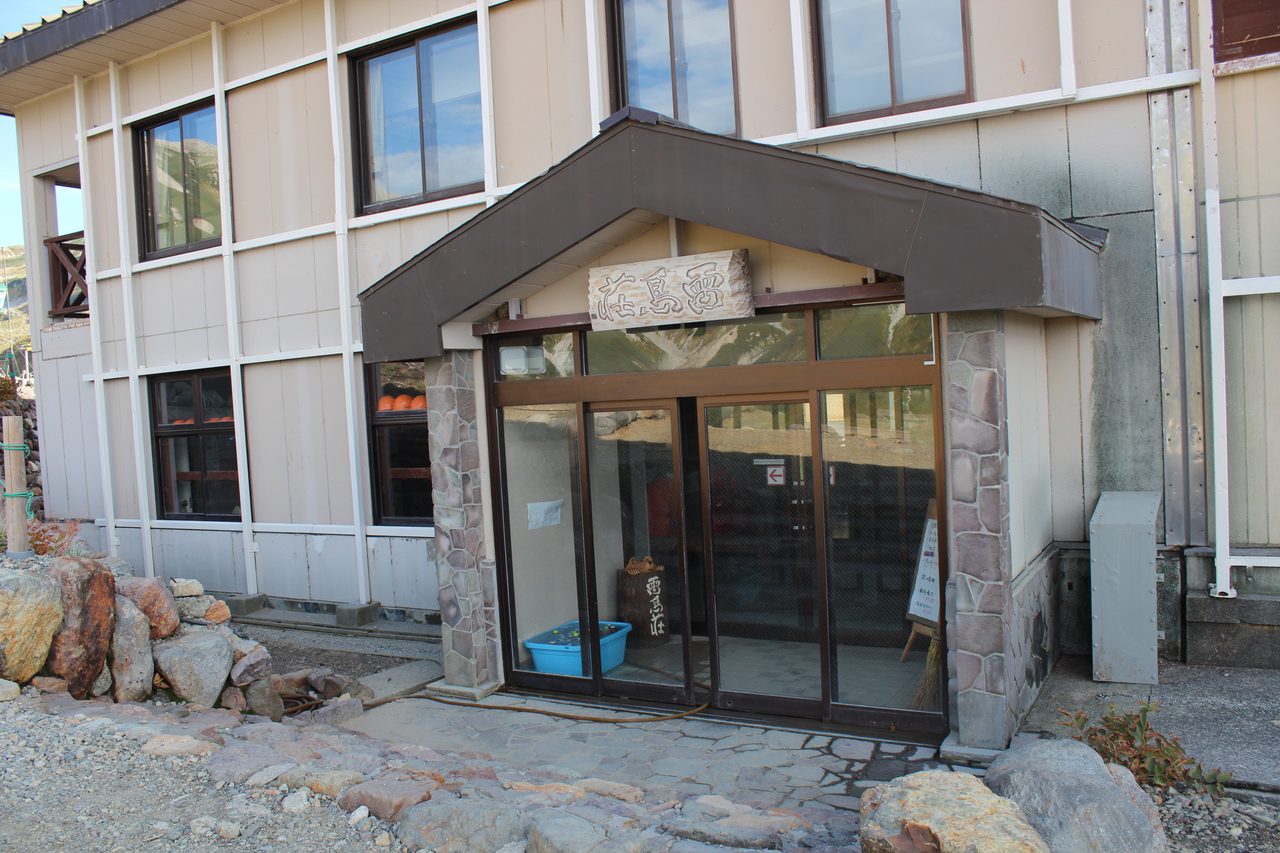
You pass Mikurigaike pond on the way. Further along, white volcanic steam rises beside the path, a sign of how active the mountain is, and the inn finally appears perched on the slope. Far below, you can see the colorful tents of the Raichozawa campground.
The Rooms
| Toilet | Shared |
|---|---|
| Refrigerator | Not provided |
| Air Conditioning | Not provided |
| Wi-Fi | Available |
| Television | Not provided |
| Towels & Yukata | Yukata only (face towels can be bought for ¥200) |
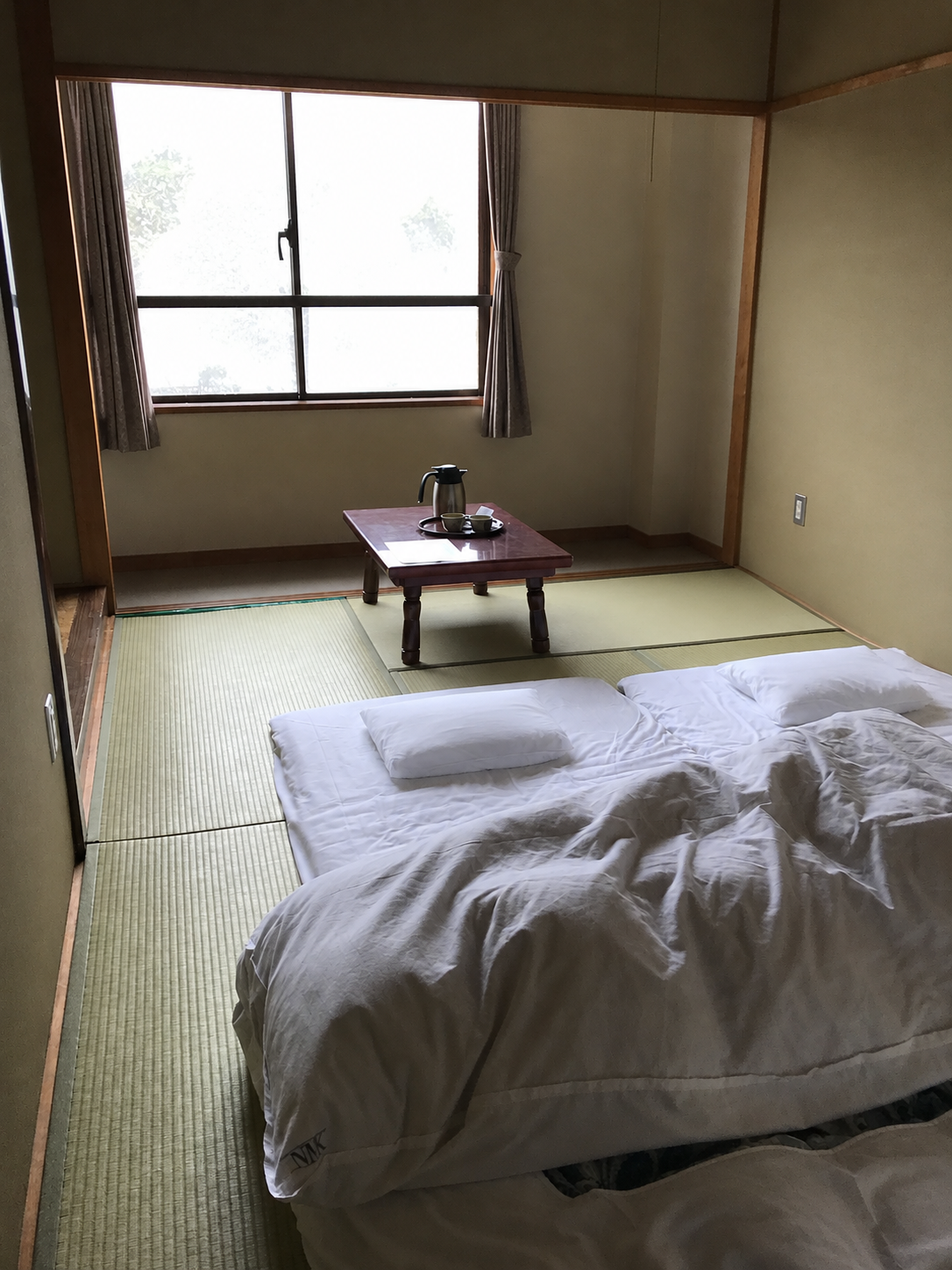
My room was a small, standard Japanese-style room. I expected something rougher, but it was clean and comfortable, with an outlet to charge a phone — a real convenience at this altitude. Bring a towel, because only a yukata is provided.
The Hot Spring — Cloudy Sulfur Water from Jigokudani
There are two baths. The first is a plain indoor bath near the entrance, filled with heated mountain spring water (not a true hot spring); it has a washing area, so rinse off here first. The second, further inside, is the viewing bath, which uses the real hot spring water piped from Jigokudani (“Hell Valley”), the volcanic area you pass on the way in.
The Viewing Bath ★
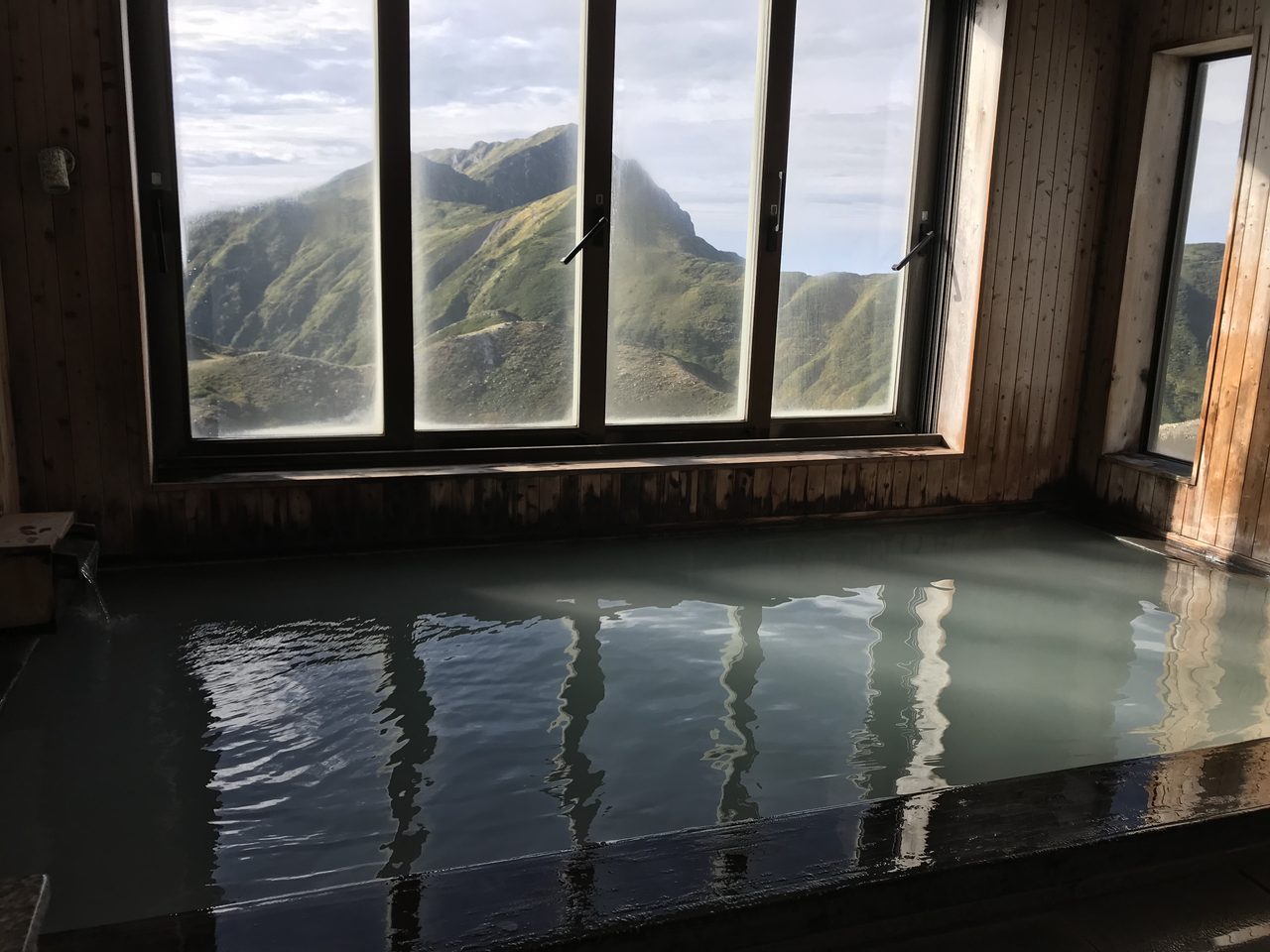
This is the bath you come for. It’s an indoor bath, but the big window brings the mountains in, and the sense of a hidden hot spring is strong. The water is plentiful and fresh, with a faint cloudiness, and I noticed little sulfur smell despite the description. At around 41°C, the temperature was just right.
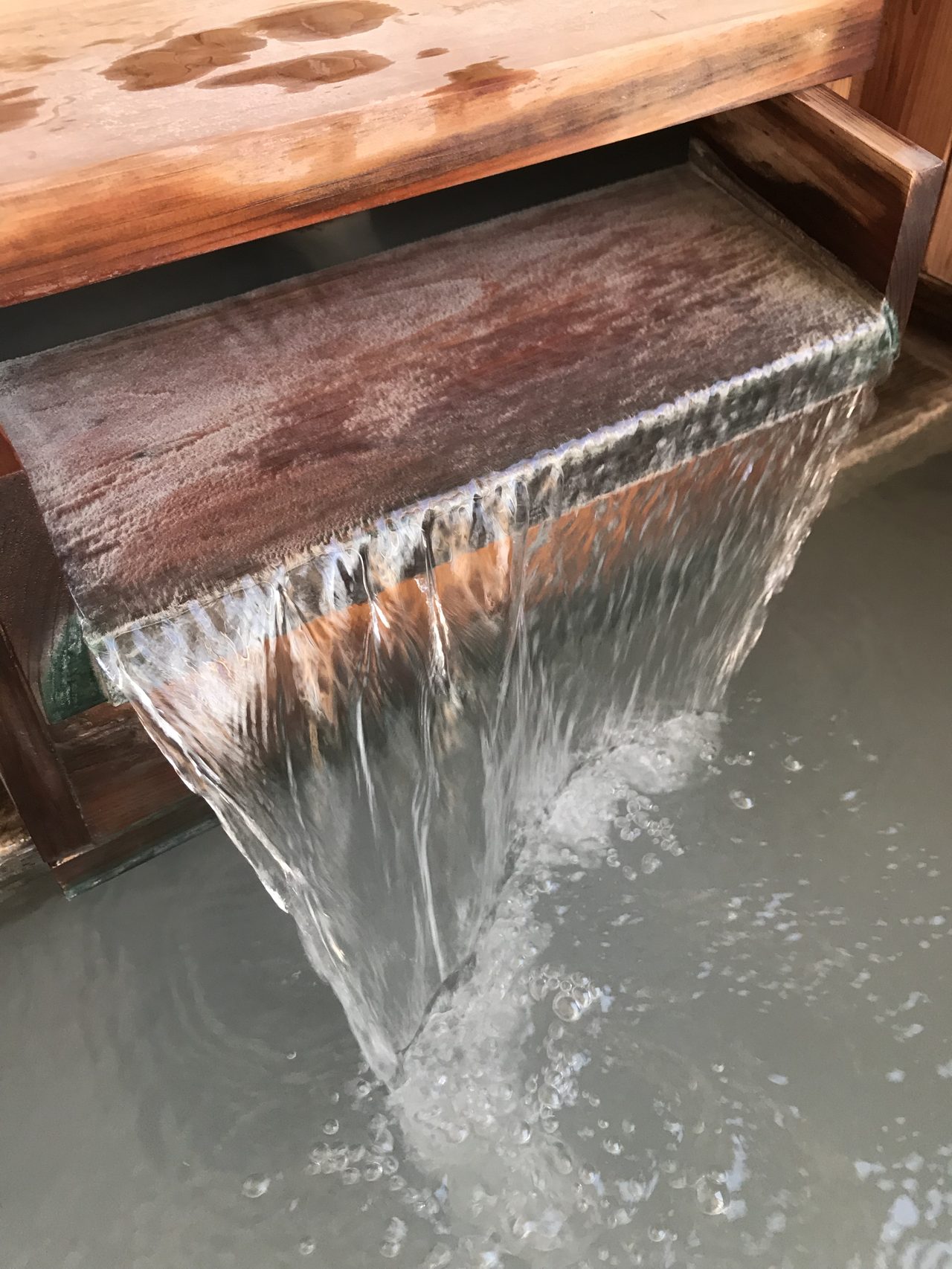
After a day of travel, soaking halfway up a mountain with views of the peaks I’d just walked beneath, I felt a sense of quiet satisfaction. It was one of the more memorable baths I’ve had.
Dining — Hearty Mountain Meals
Meals are better than you’d expect at a mountain hut, though mealtimes are fixed.
Dinner
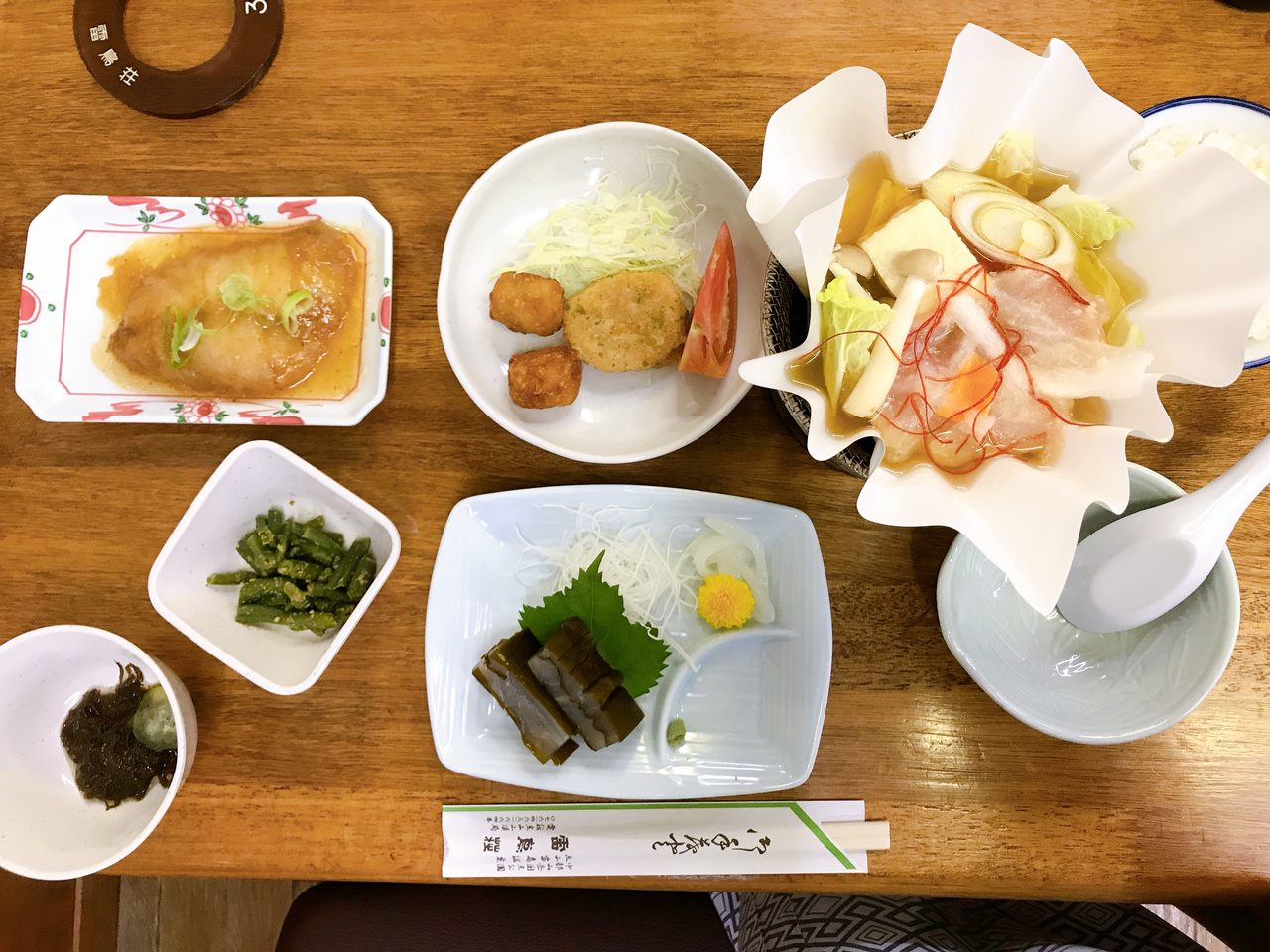
Dinner runs from 18:00 to 20:00. I had braced for something plain, but the meal included fried dishes and a hot pot. For a mountain hut at this altitude, it was generous, and it’s hard to overstate how welcome hot food is up here.
Breakfast
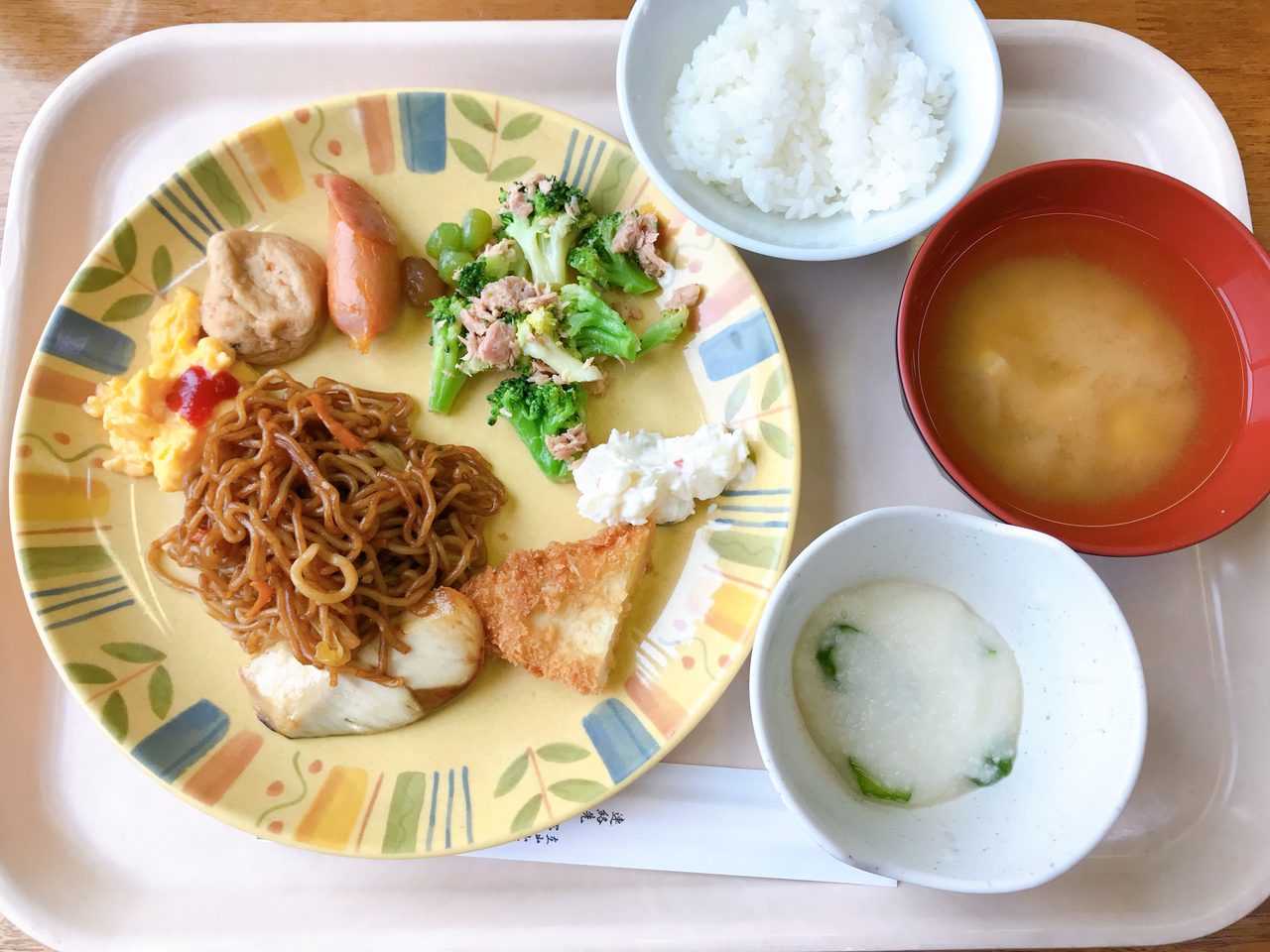
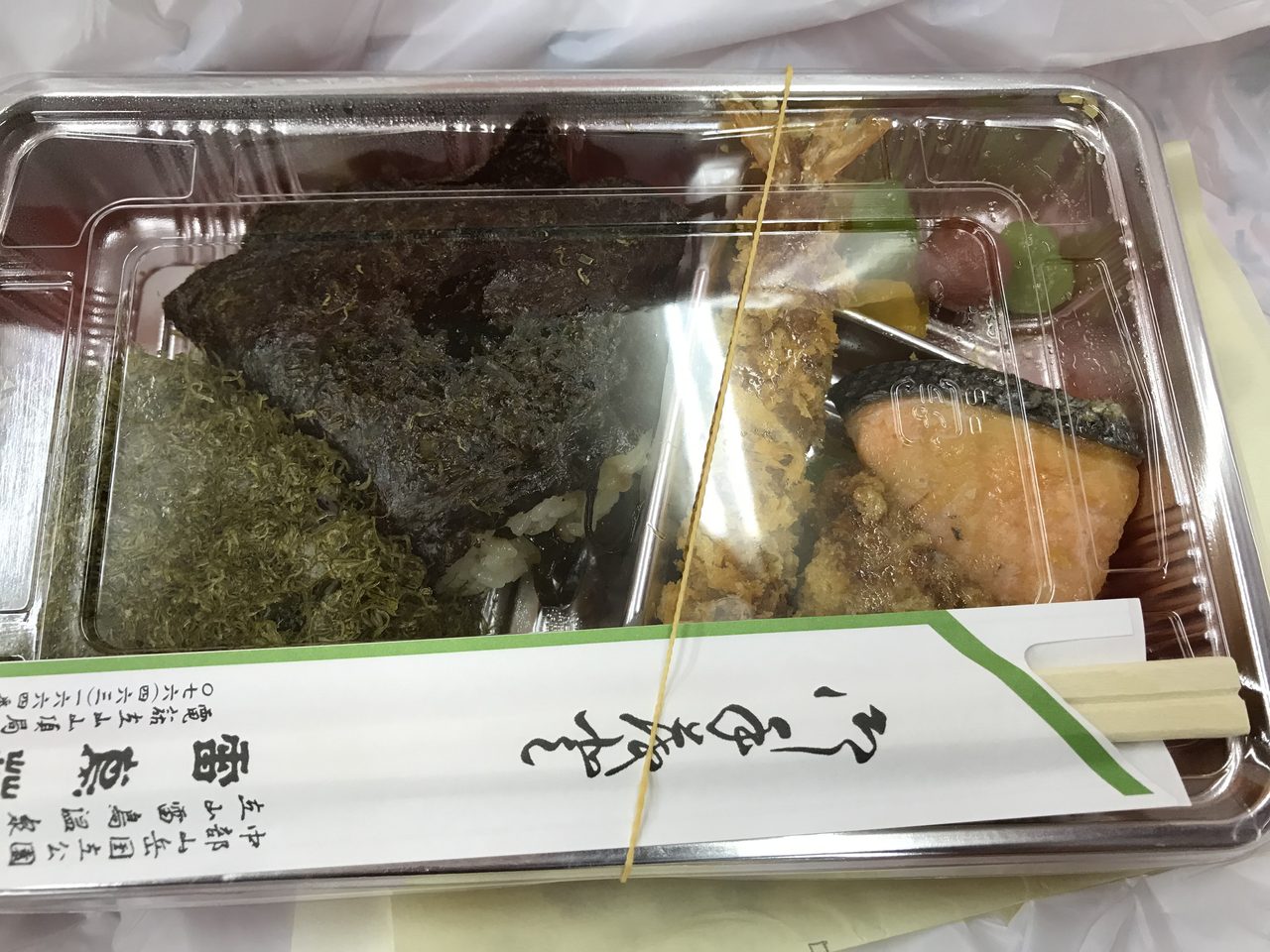
Breakfast is a buffet, served 6:00–8:00 from mid-July to mid-October and 6:30–8:00 at other times. The choices are far wider than you would expect from a mountain hut. A box lunch is also on sale if you plan to walk onward after checkout.
Final Thoughts
Raichoso proves that a mountain hut can have good food, a clean room and a hot spring bath with a view. The journey is part of the reward: ropeways, a dam, an alpine pond and volcanic steam, all before the first soak.
One small regret — despite the name (raichō means rock ptarmigan, an alpine bird of these mountains), I never saw one.
Raichoso is ideal for visitors who:
- Want an out-of-the-ordinary stay deep in the Japanese Alps
- Love hiking and want a hot spring at the end of the day
- Enjoy mountain views from the bath
▼Book your stay▼