
This article contains advertisements
After more than fifteen years of visiting hot springs across Japan, a handful of inns stay with you long after you leave. Nakadanasou in Komoro, Nagano, is one of them.
I first visited at the end of 2012, drawn in by the legendary apple bath and the inn’s long literary history. The food was extraordinary, the staff brought hand-made soba for New Year’s Eve and freshly pounded mochi on New Year’s Day, and I left with the kind of memory that makes you want to come back immediately.
A decade later, I returned. And everything that made it special the first time was still exactly there.
Why Nakadanasou is worth your time:
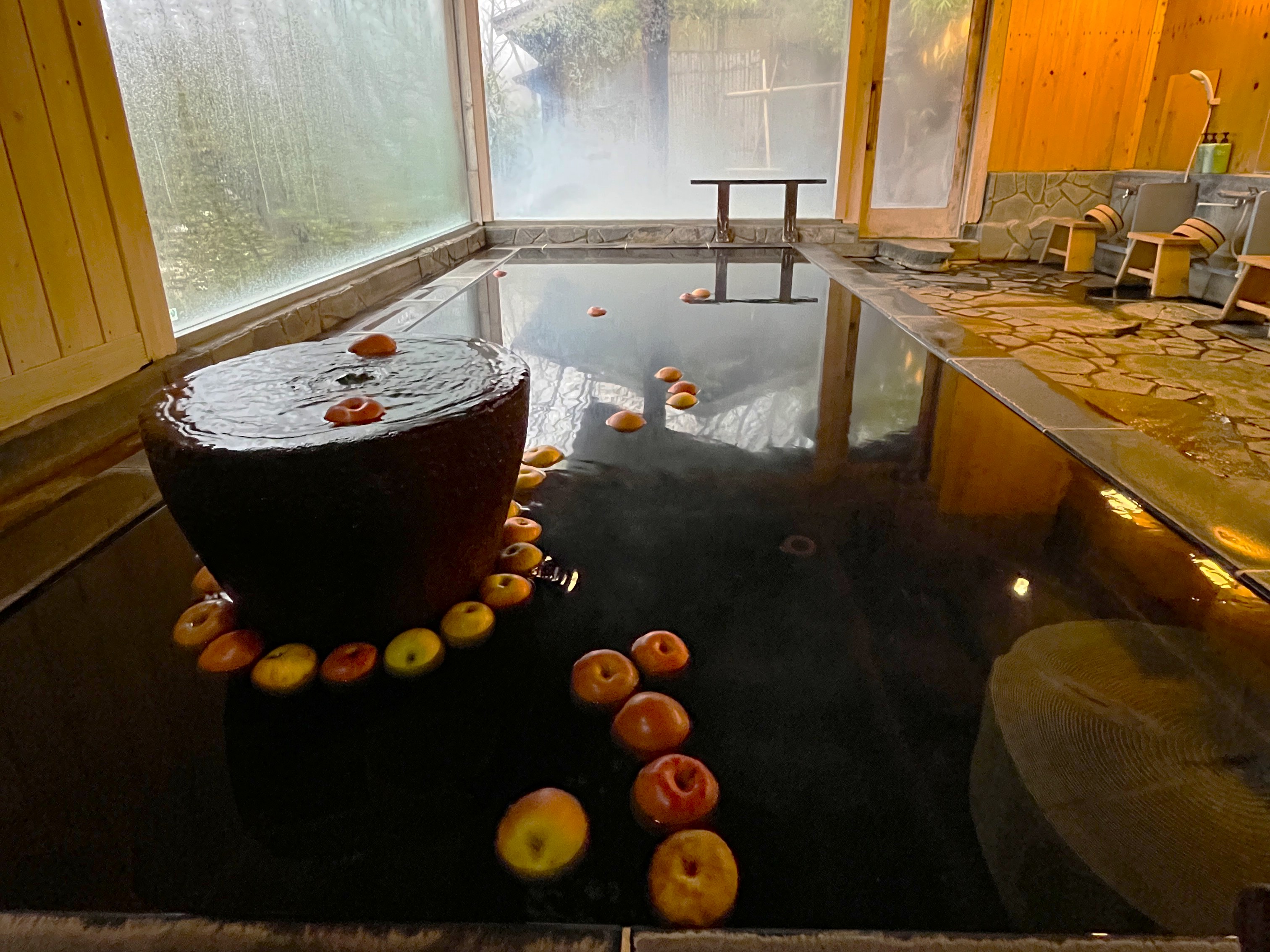
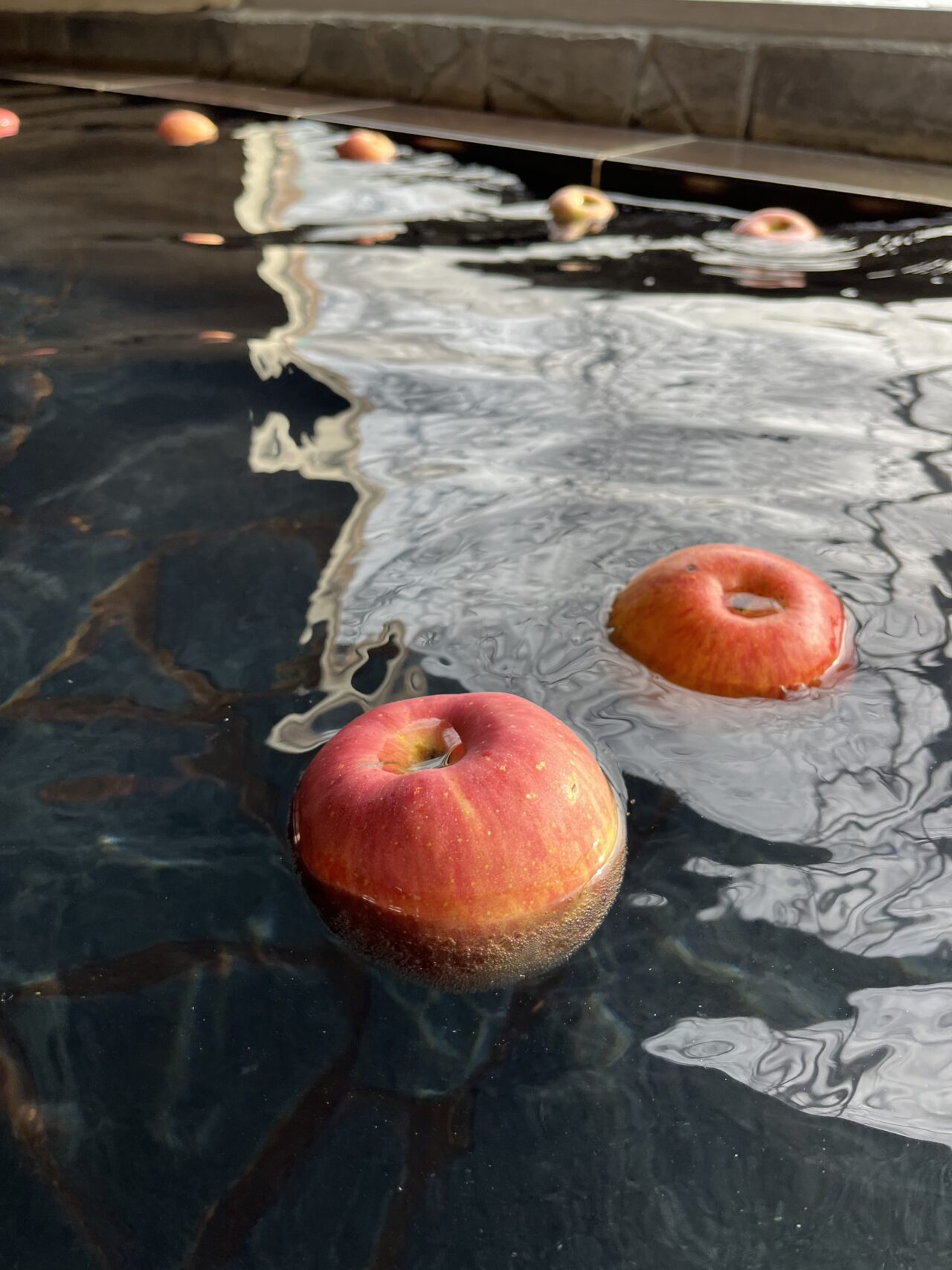
- The seasonal apple bath — floating apples, a gentle fragrance, and a bathing experience unlike anything else in Japan
- A 37.8°C alkaline spring so gentle and skin-soft you’ll want to stay in all evening
- An unheated outdoor bath at true source temperature — one of the finest warm-spring soaks in Nagano
- A hidden private bath in an old Taisho-era building, with adjustable hot and cold spring taps
- Exceptionally refined kaiseki cuisine, served course by course in a century-old dining room
Nakadanasou
Inn Details
| Address | 1210 Otsu, Komoro-shi, Nagano 384-0802, Japan |
|---|---|
| Phone | +81-267-22-1511 (Reception: 9:00–19:00) |
| Official Website | nakadanasou.com |
| Day-use Bathing | Adults ¥1,200 / Elementary school ¥600 / Young children ¥300 (tax included) |
| Day-use Hours | 11:30–15:00 (last entry; weekends & holidays until 14:00) |
| Check-in / Check-out | From 14:00 / By 11:00 |
| Credit Cards | Accepted (VISA / JCB / American Express / MasterCard / Saison) |
| Apple Bath Season | October through early spring (cherry blossom season) — not available in summer |
▼Book your stay▼
Getting There from Tokyo — Access Guide
Komoro is one of Nagano’s less-visited towns, which is part of its charm. From Tokyo, the journey is straightforward and surprisingly quick.
🚄 By Shinkansen (Recommended)
Take the Hokuriku Shinkansen “Asama” from Tokyo Station to Karuizawa (approx. 1 hour 10 minutes), then transfer to the Shinano Railway local train to Komoro Station (approx. 20 minutes). Total travel time from Tokyo: about 1.5 hours. From Komoro Station, a taxi to Nakadanasou takes about 5–10 minutes (approx. ¥1,000–1,500). The inn’s parking lot is accessible by car from the rear of the property.
🚗 By Car
Exit at Komoro IC on the Joshinetsu Expressway and follow signs toward Komoro City center. The inn is approximately 10 minutes from the expressway exit. Parking is available on-site at no charge.
| Route | Tokyo Station → Karuizawa Station → Komoro Station → Nakadanasou |
|---|---|
| Train | Hokuriku Shinkansen “Asama” to Karuizawa (~1 hr 10 min), then Shinano Railway local (~20 min) |
| From Komoro Station | Taxi: approx. ¥1,000–1,500 / ~5–10 min |
| Total from Tokyo | Approx. 1.5–2 hours |
| JR Pass | ✅ Shinkansen to Karuizawa is covered. Shinano Railway (Karuizawa→Komoro) is NOT covered — purchase a separate ticket (approx. ¥330). |
A Literary Inn in a Castle Town
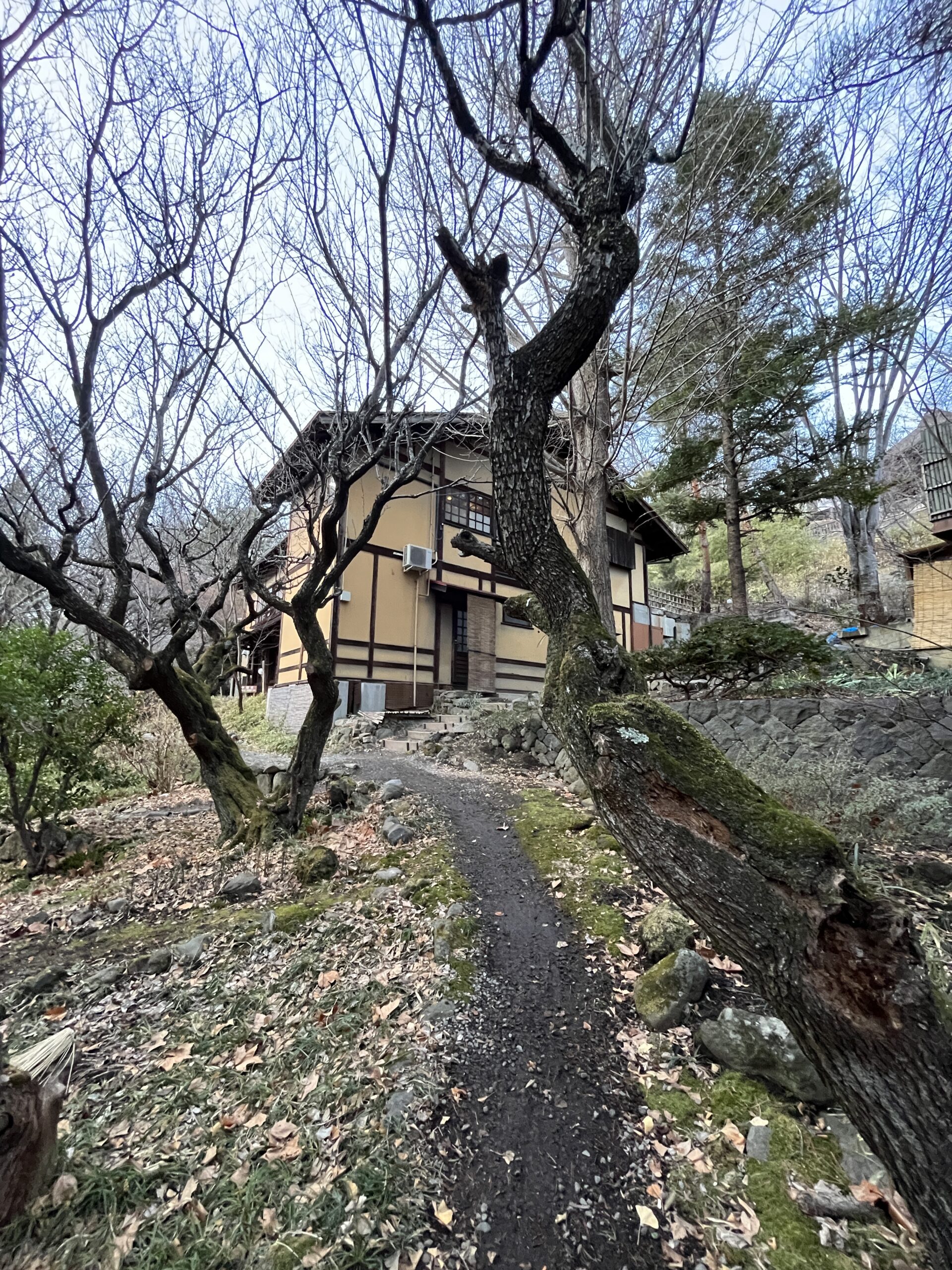
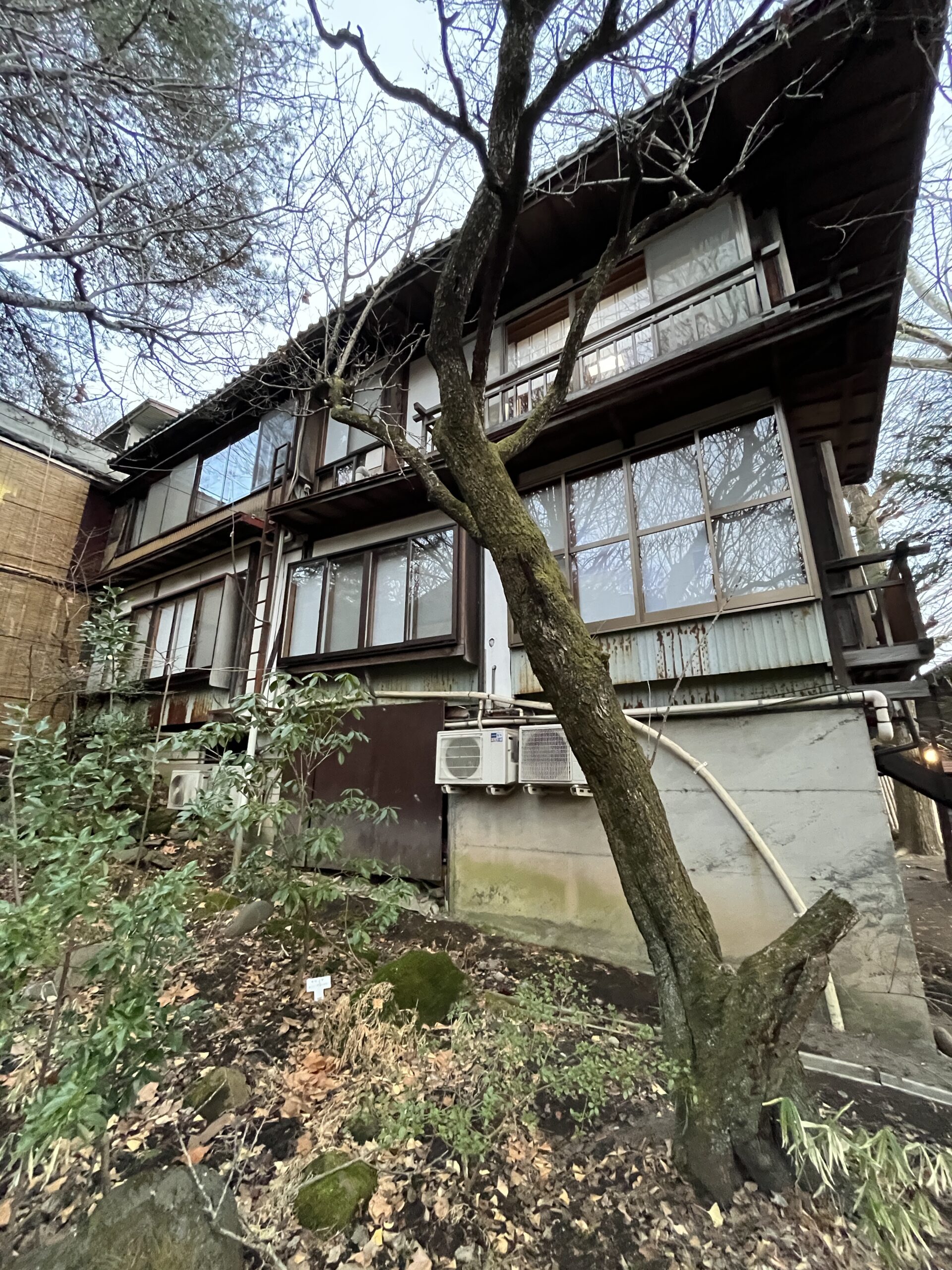
Left: The spacious rear garden, where guests arrive by car. Right: The historic old building — where dinner is served. A single glance tells you how much history is held within these walls.
Komoro is not the first name that comes to mind for many visitors to Nagano, but it has a rich past. The city grew around Komoro Castle — now a scenic park called Kaiko-en — and served as a stop on the Hokkoku Kaido, one of the ancient post roads leading pilgrims toward Zenkoji Temple. It has a quiet, unhurried energy that feels distinct from the more tourist-heavy towns of the region.
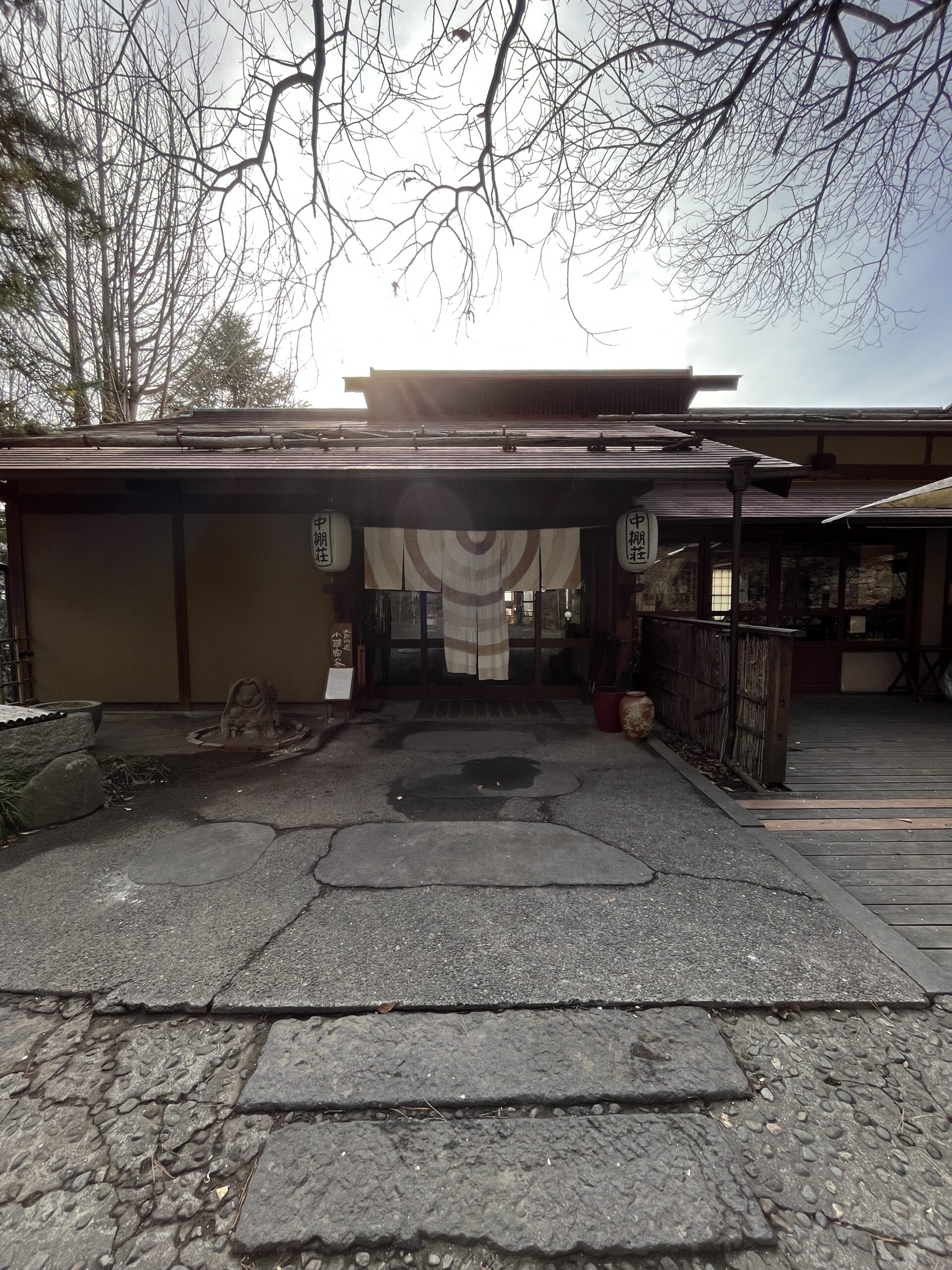
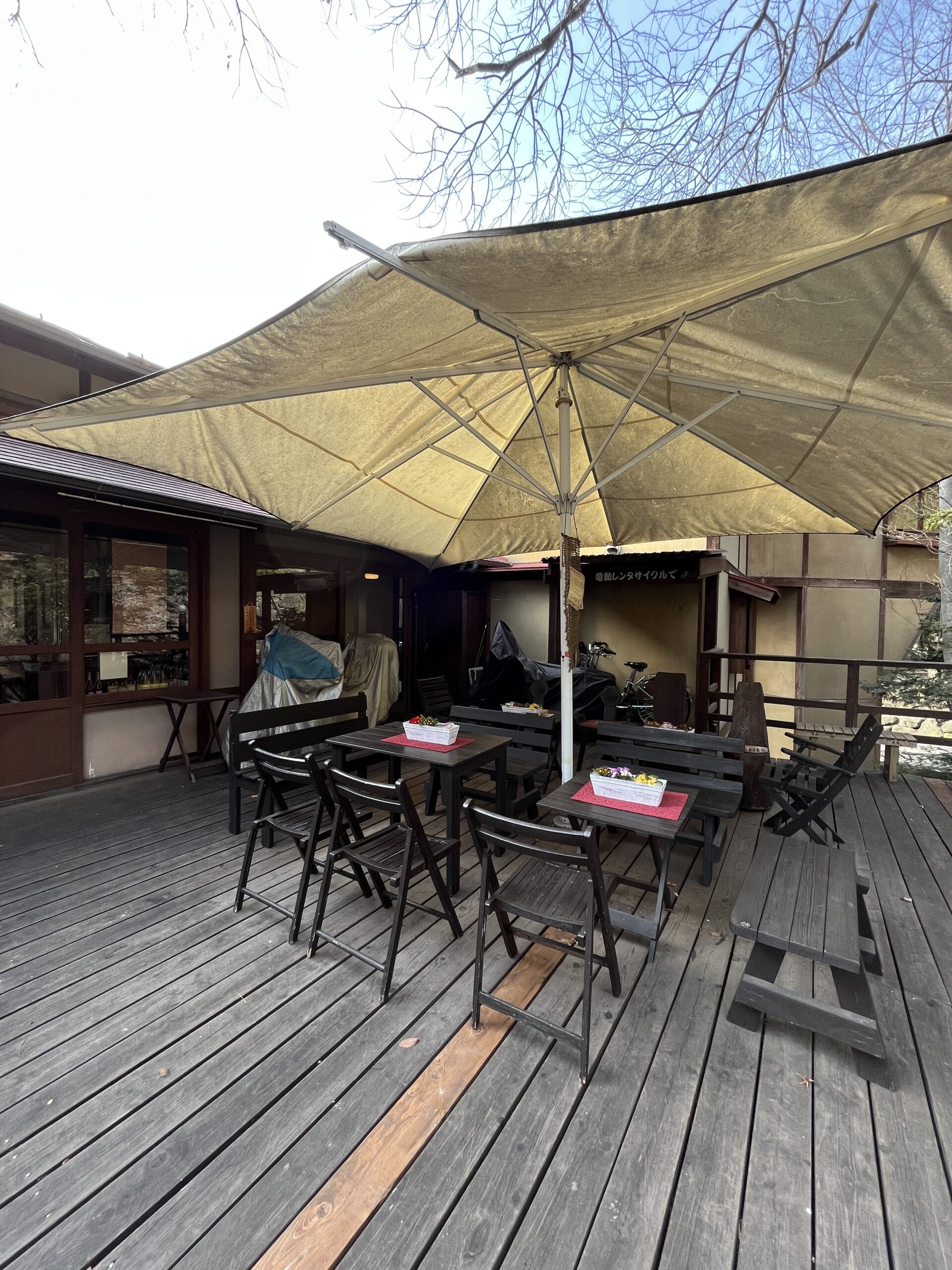
Left: The main entrance — the pair of red lanterns set an immediately welcoming tone. Right: An outdoor relaxation terrace, perfect on a clear afternoon.
📖 Shimamura Toson — The Literary Legacy
Nakadanasou is closely associated with
Shimamura Toson
(1872–1943), one of the most celebrated writers of the Meiji era. Born in Nagano, Toson lived in Komoro for nearly a decade (1899–1905), during which he wrote some of his most influential poetry and early novels. He is particularly known for Hakai (The Broken Commandment) and Yoakemae (Before the Dawn). The inn preserves his connection to this place with care — a literary atmosphere that feels woven into the building itself, not merely announced on a sign.
Common Areas — Stylish, Calm, and Full of Character
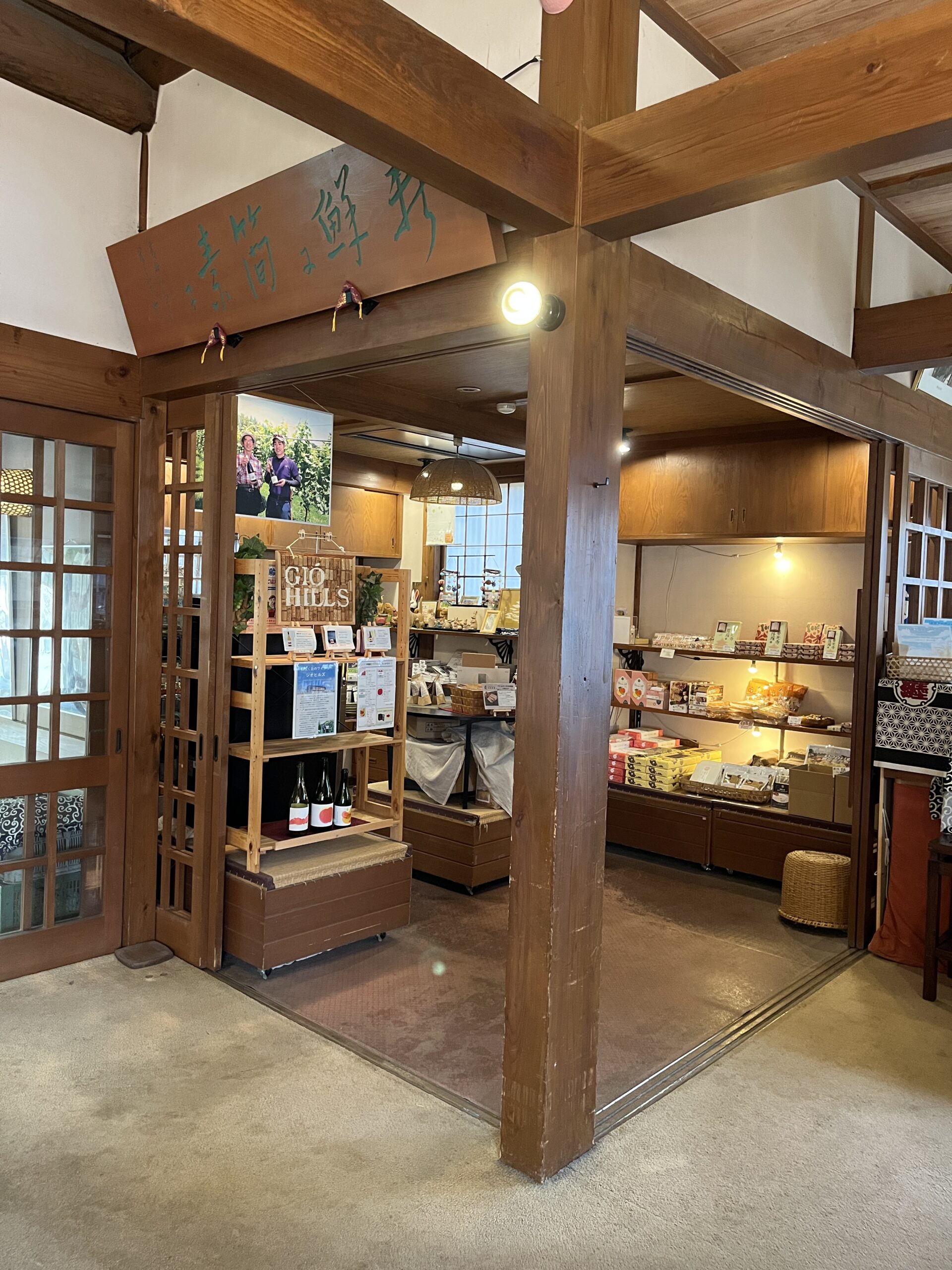
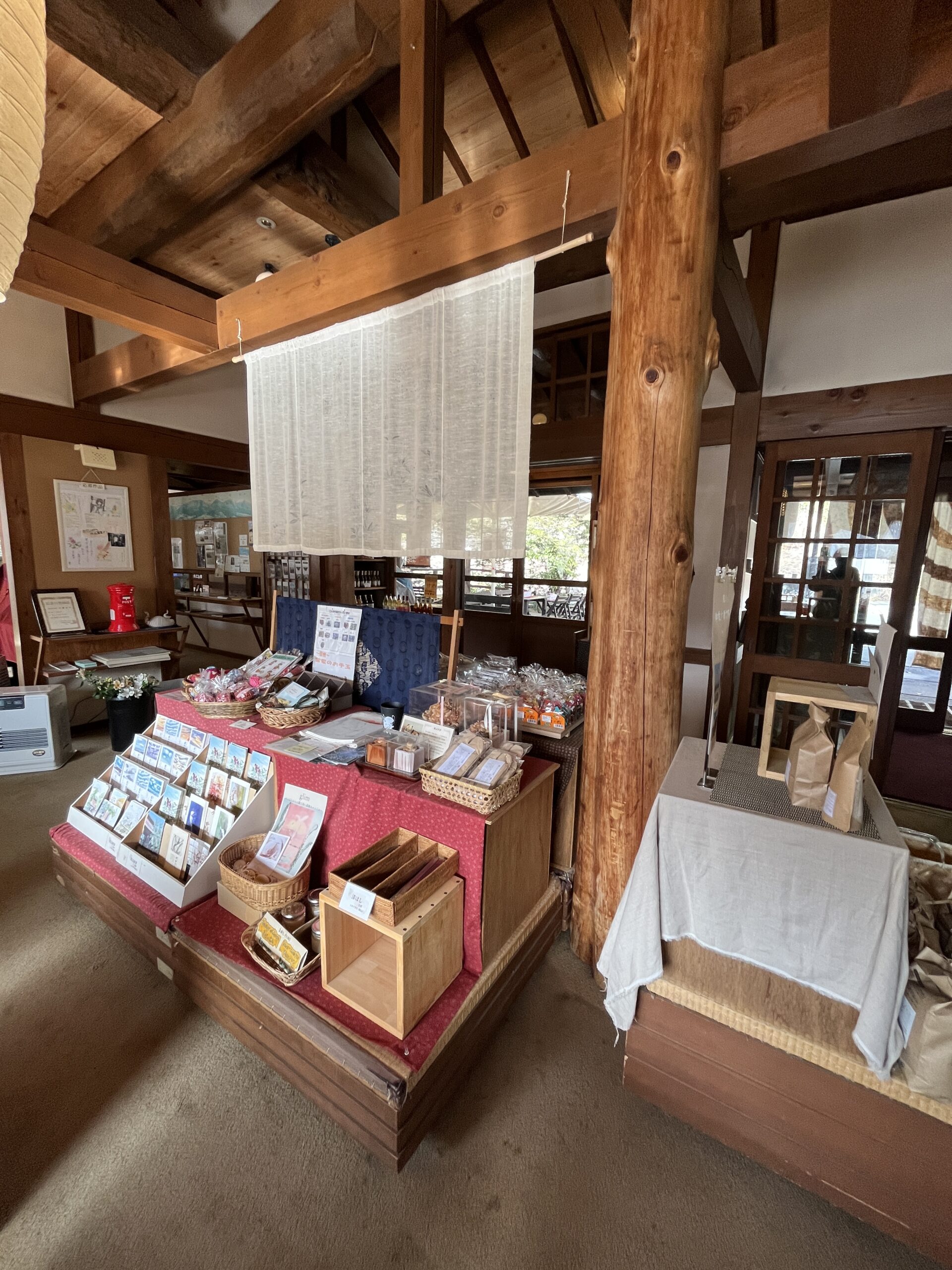
The lobby shop — stocked with local crafts, regional foods, and the kind of things worth picking up as gifts.
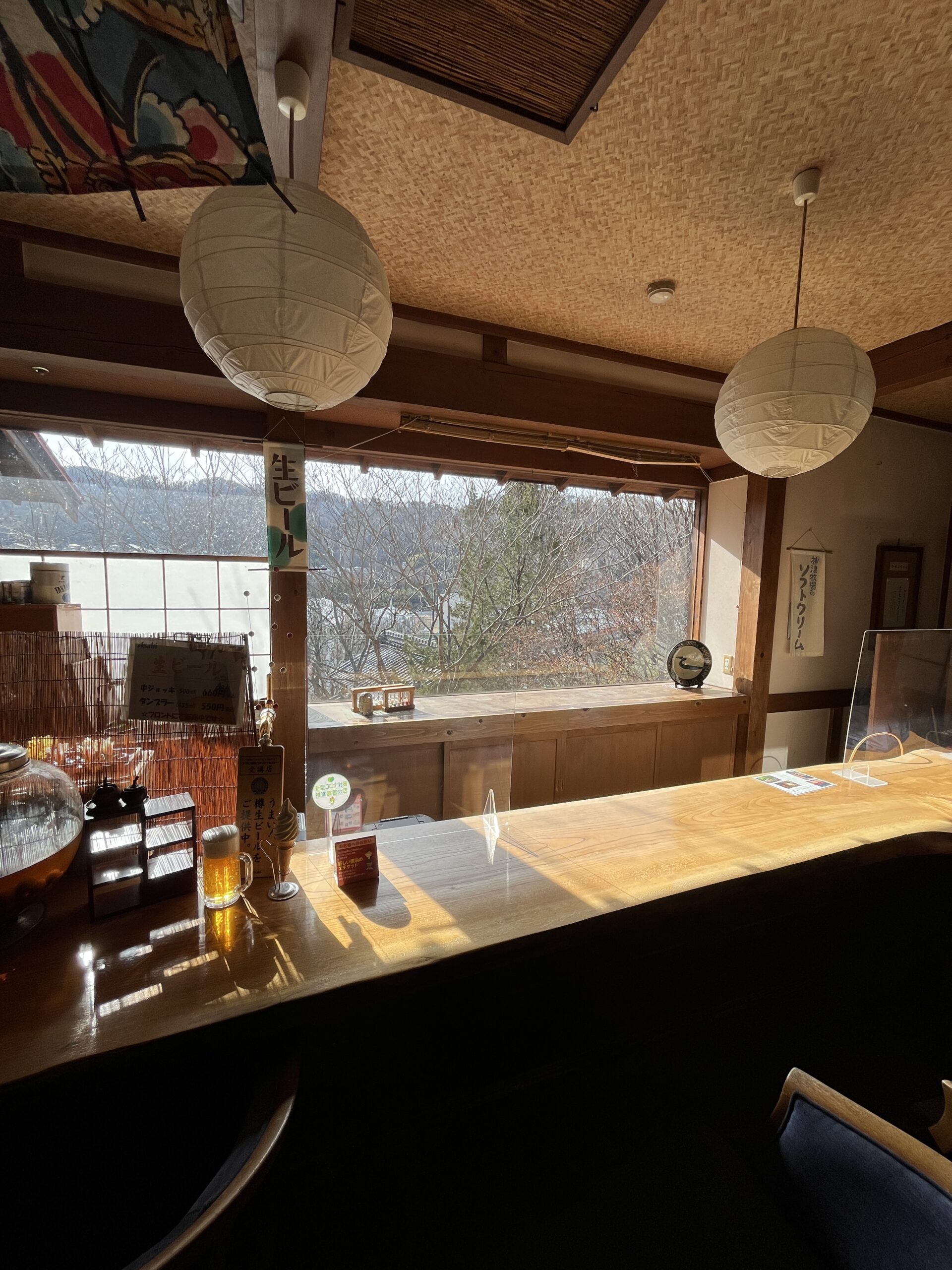
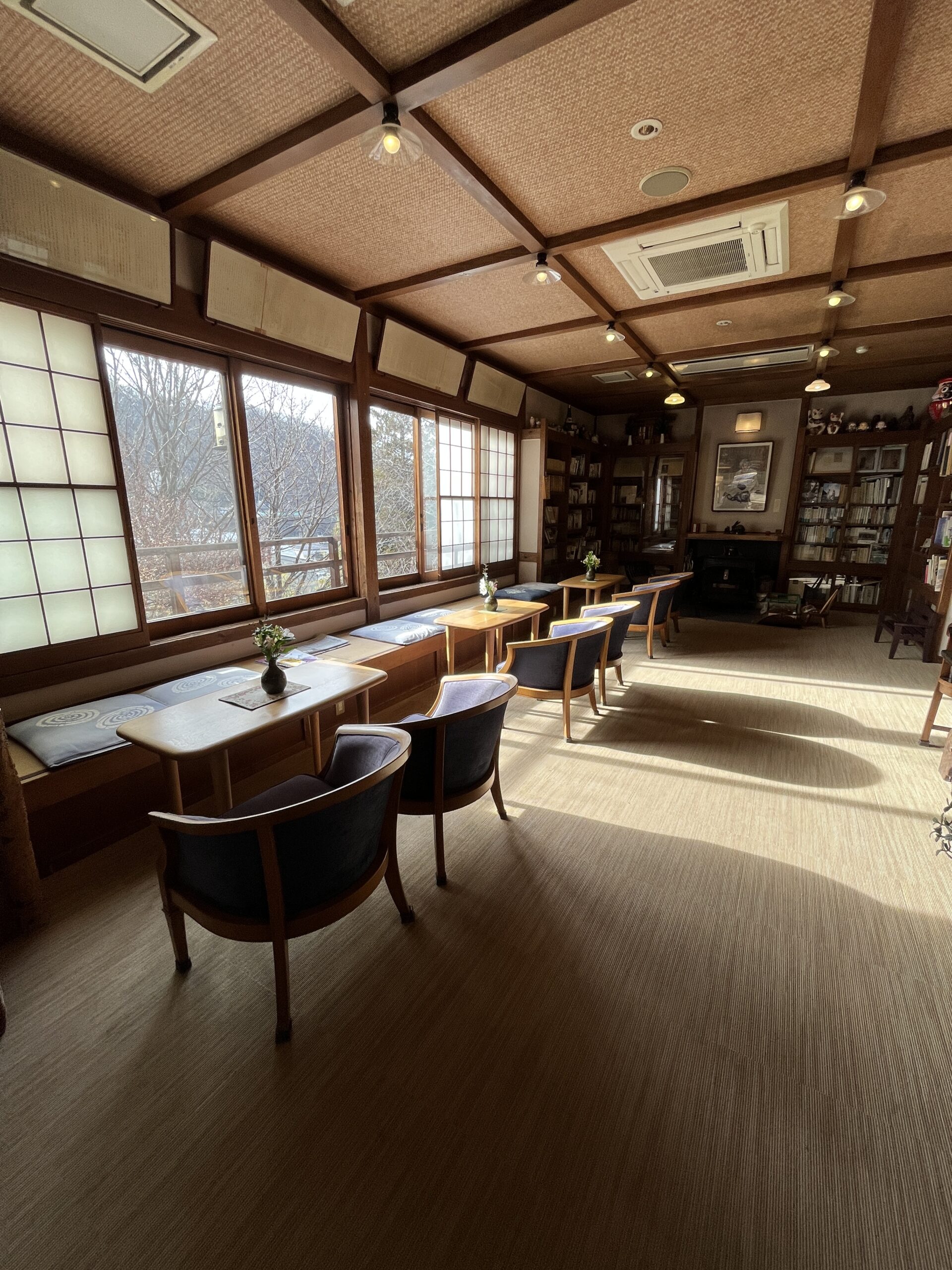
Left: A bar-like lounge near the lobby — relaxed and inviting, with the right atmosphere for a quiet evening drink. Right: The reading lounge, where a well-stocked bookshelf makes afternoon downtime easy to fill.
The Rooms
| Toilet | En suite (in-room) |
|---|---|
| Refrigerator | Available |
| Air Conditioning | Available |
| Wi-Fi | Available |
| Television | Available |
| Towels & Yukata | Provided |
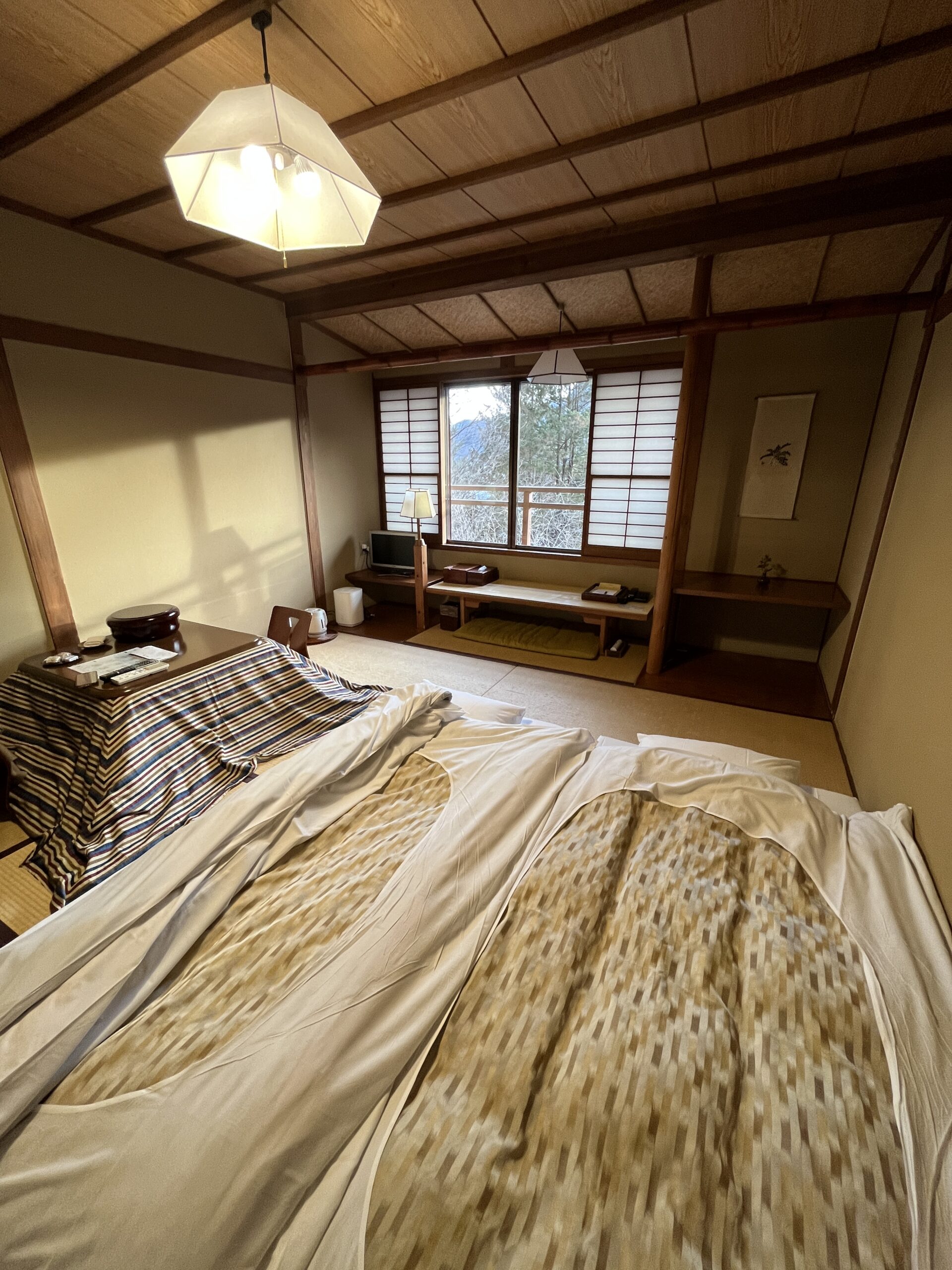
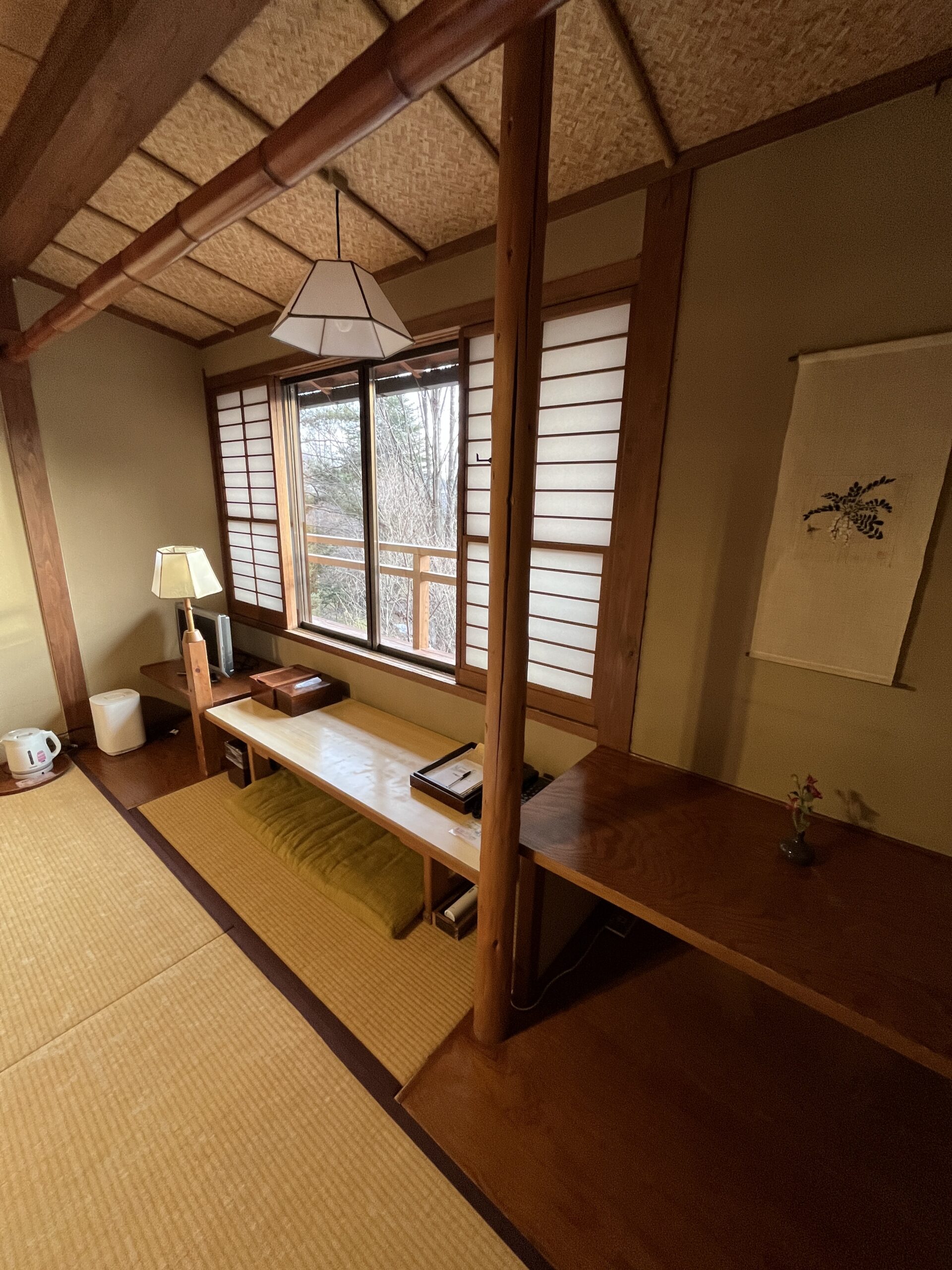
Left: Room “Akashia” — 8-tatami mat Japanese-style room, clean and well-prepared with futon already laid. Right: The window alcove, with hanging scroll and shoji screens — quiet, classic Japanese interior design done right.
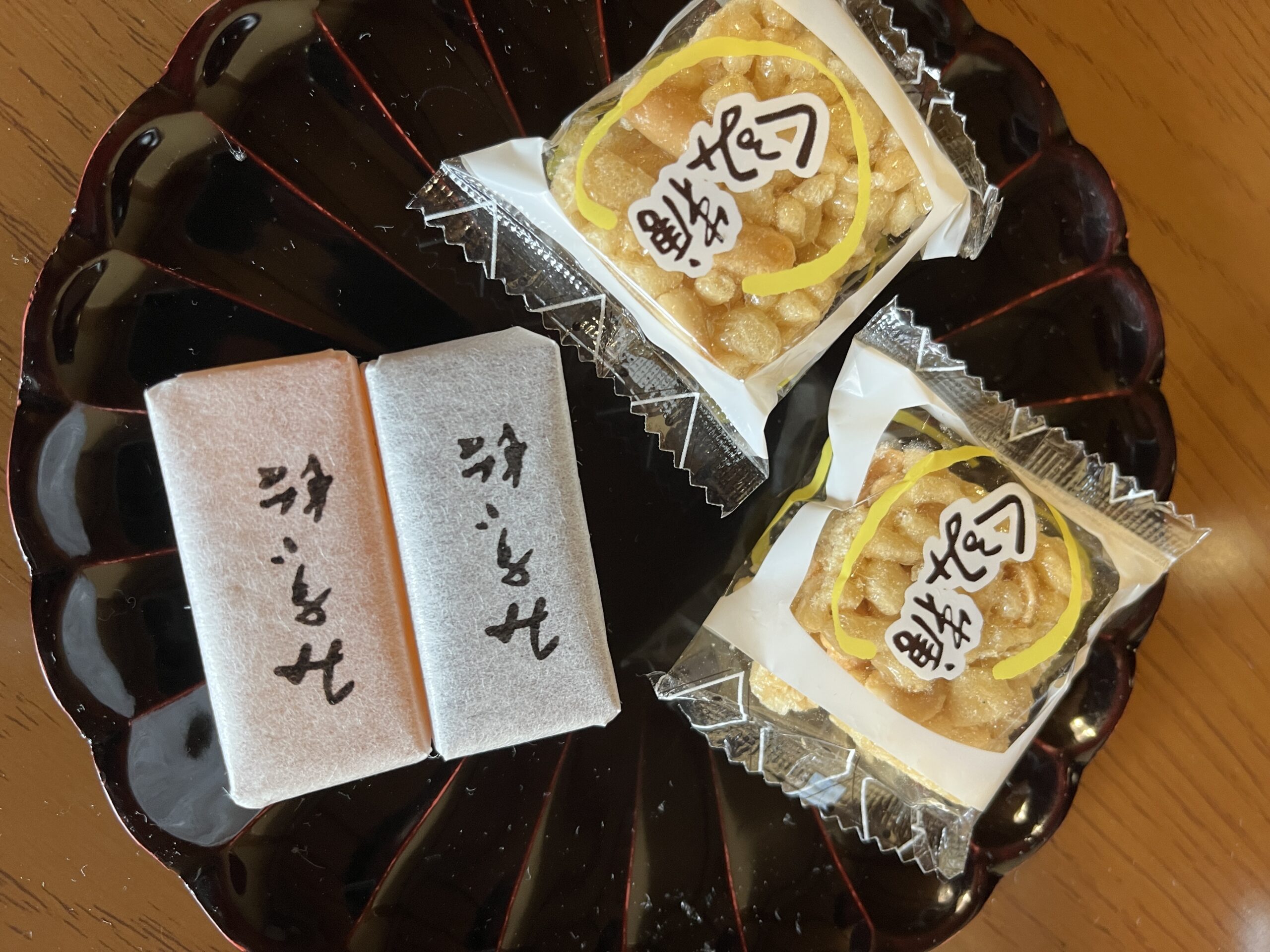
Everything you need is here and well-considered. The traditional aesthetic — shoji screens, hanging scrolls, tatami mats — gives the room a calm, unhurried atmosphere, while practical amenities (air conditioning, refrigerator, en-suite toilet) keep things genuinely comfortable. For a ryokan at this level, nothing feels like an afterthought.
The Hot Springs — Three Baths, One Extraordinary Spring
This is the heart of Nakadanasou. The baths are located a short walk from the main guest rooms — up a staircase, through a corridor, past a resting area — and the journey is worth it every time.
① The Apple Bath — Main Indoor Bath ★
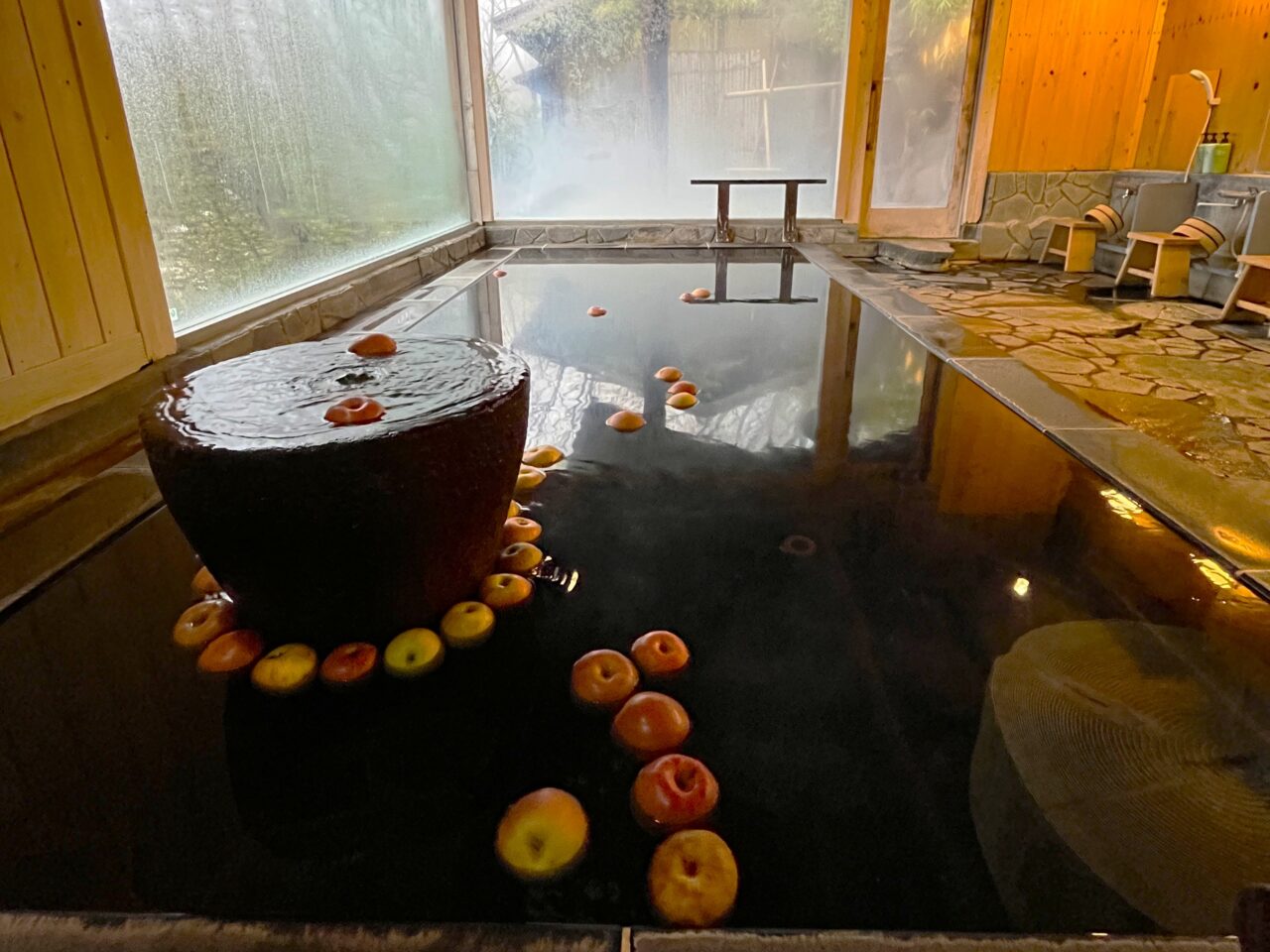
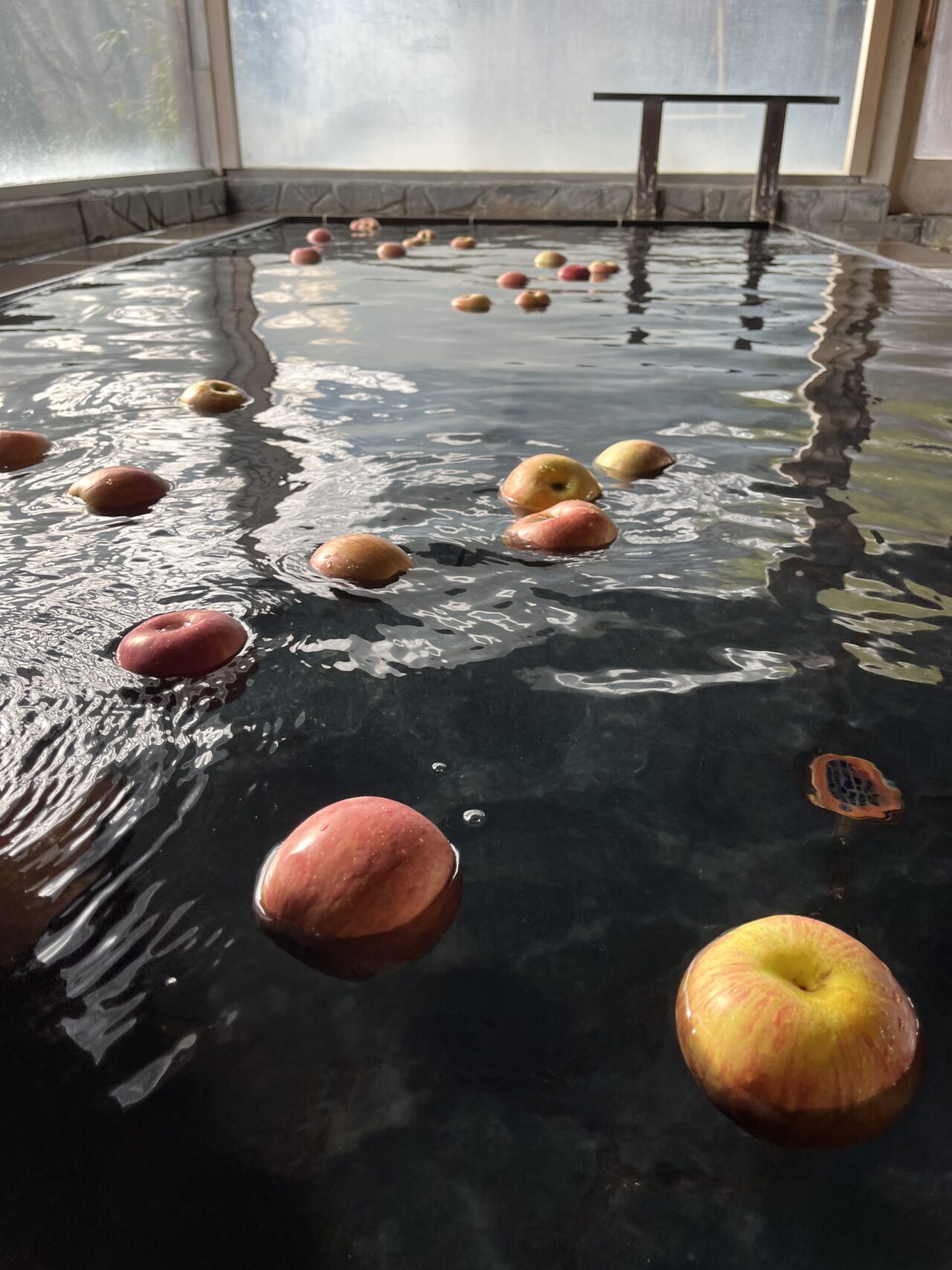
The apple bath — one of Japan’s most distinctive seasonal bathing experiences. The visual alone is worth the journey; the scent makes it unforgettable.
🍎 Apple Bath Season: October through Early Spring Only
The apple bath is a seasonal feature, typically available from mid-October through the cherry blossom season in spring. It is not available in summer or early autumn. If the apple bath is your primary reason for visiting, plan accordingly and confirm the current season with the inn before booking.
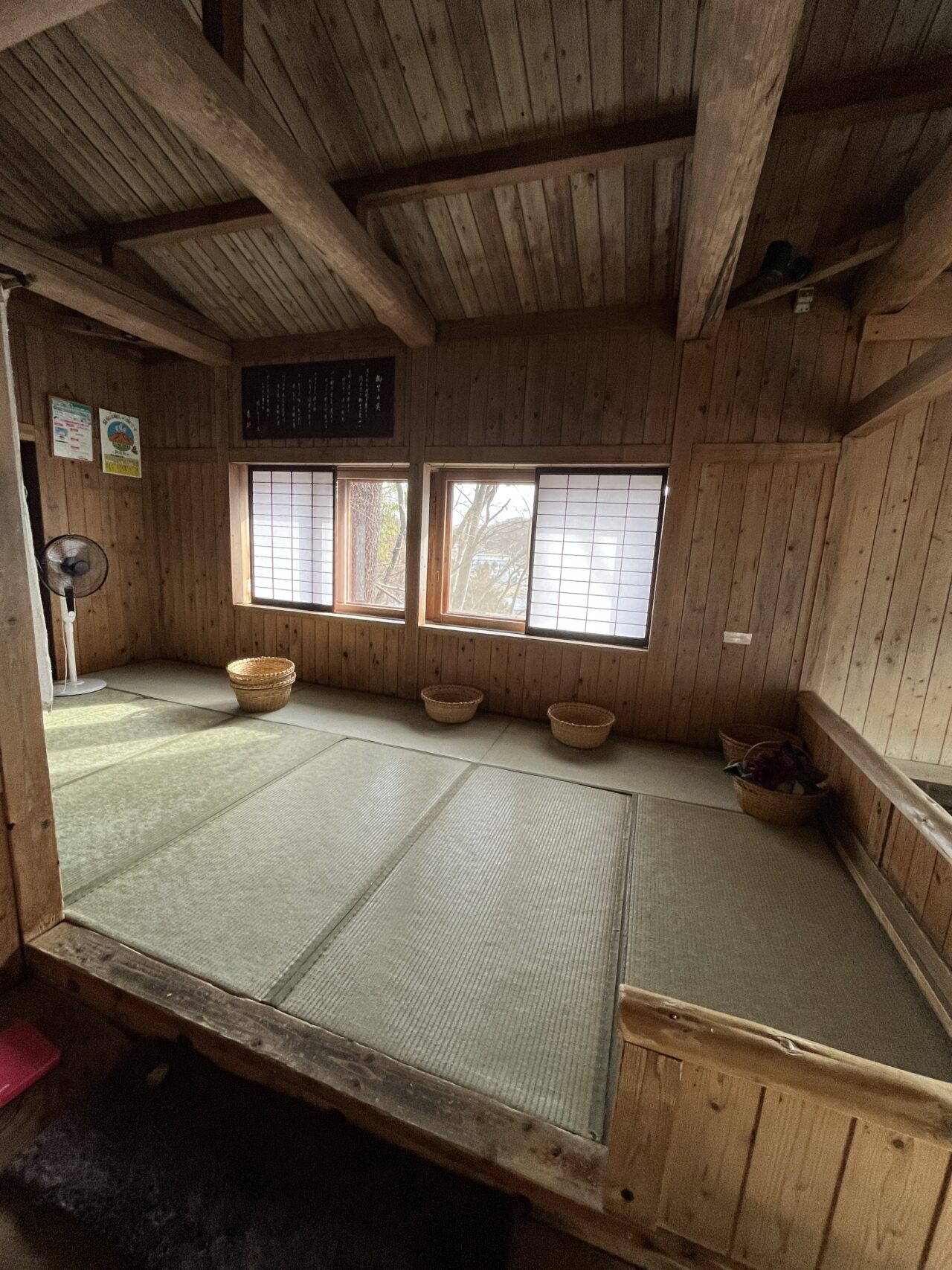
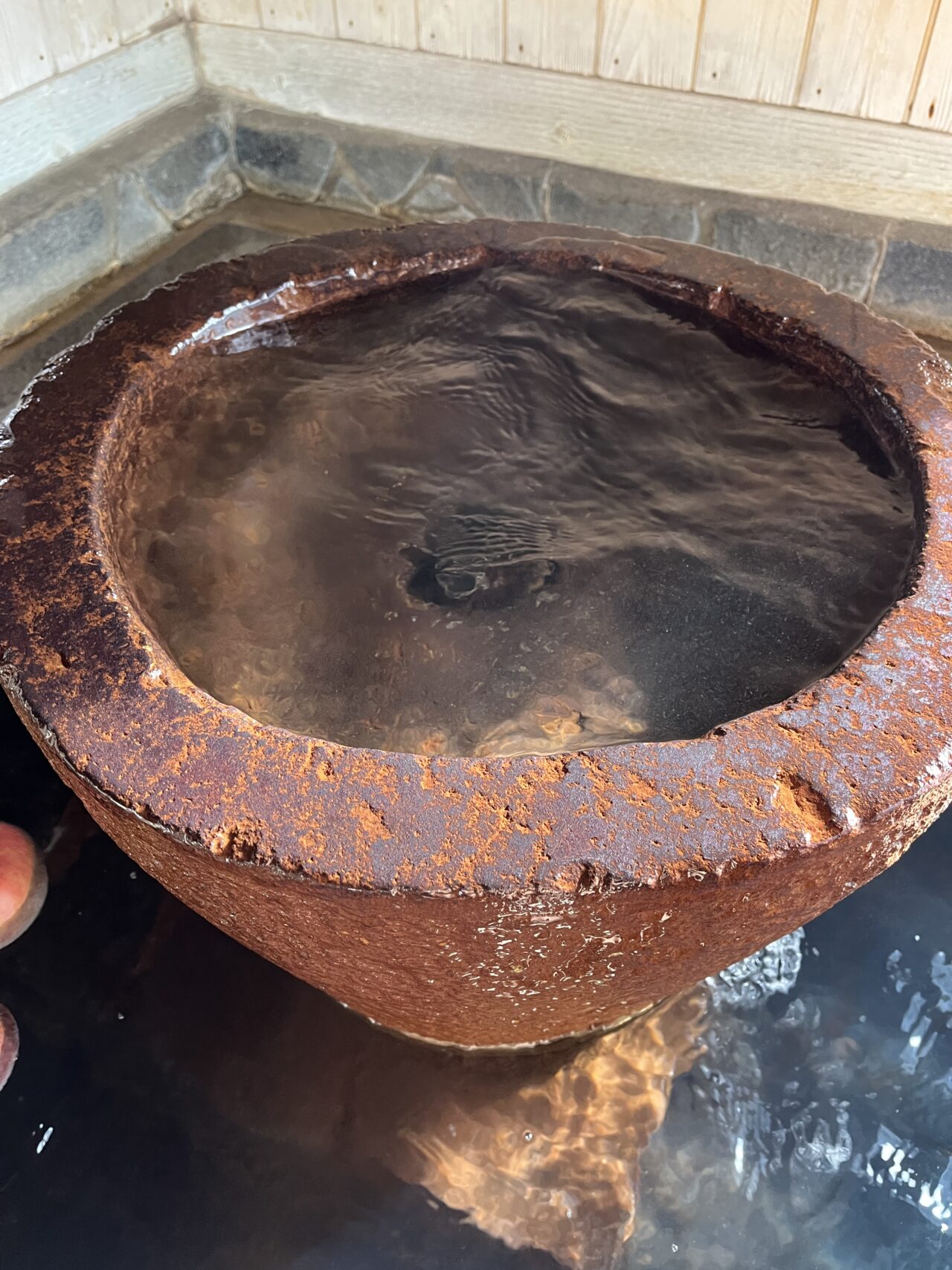
Left: The dressing room opens directly to the bath — an unusually airy and beautiful design. Right: Spring water overflows from a large vessel into the tub in a continuous cascade.
The dressing room design is remarkable: changing lockers open directly onto the bath, without a door or partition between them. It creates an immediate, open sense of connection to the water that is rare in Japanese onsen design. The bath temperature is maintained at around 40°C — slightly warmer than the outdoor spring, which is likely adjusted by adding hot water. The alkaline water is gentle on the skin, with no irritation even after an extended soak.
② The Outdoor Bath — Warm Spring at Source Temperature ★★
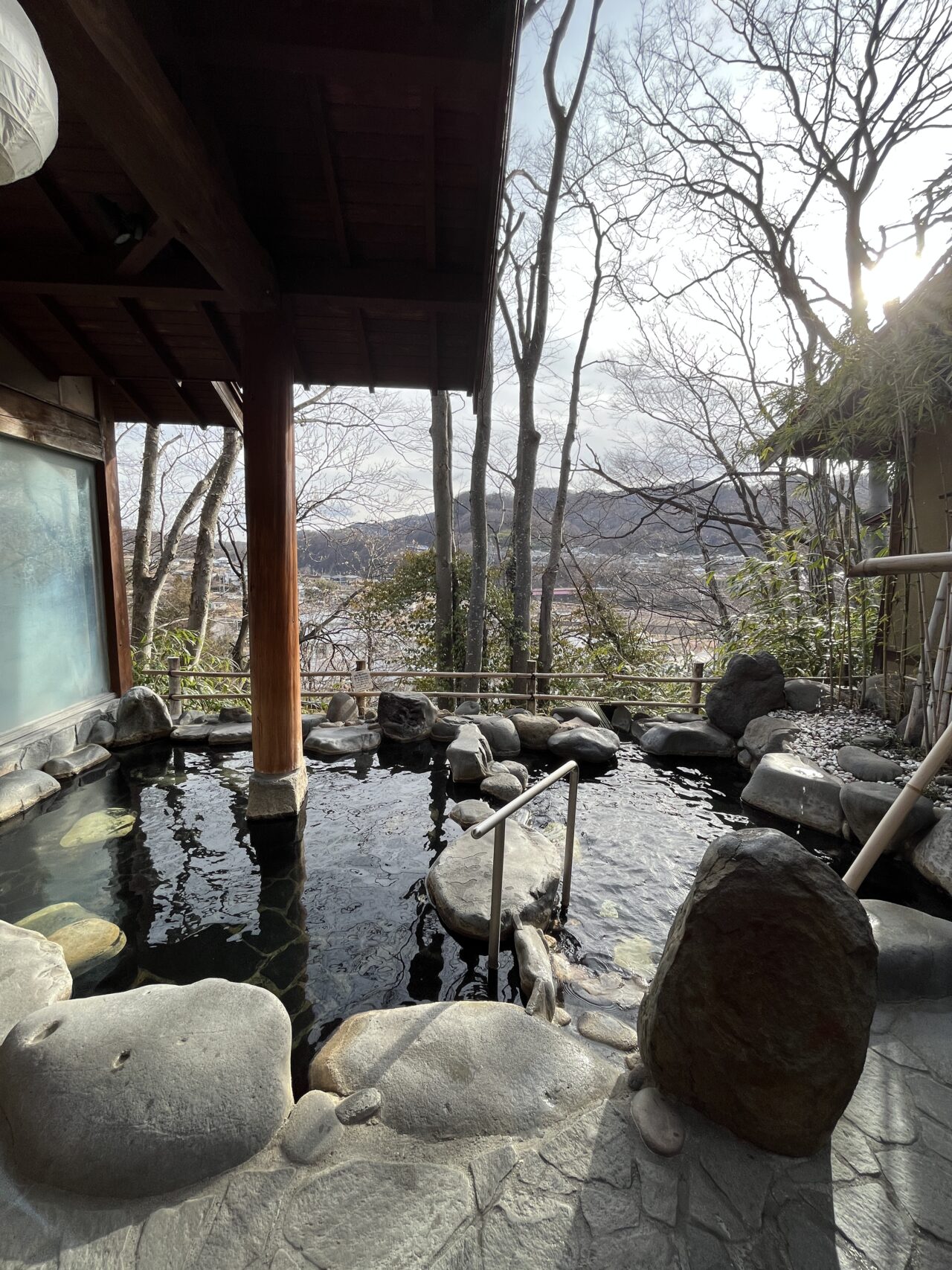
Beyond the apple bath lies the outdoor bath — and if I’m being direct, this is where I’d send you first. Two pools are separated by a rock partition: the left runs hot at around 41°C, while the right sits at a natural 38–39°C, fed by spring water falling from a bamboo pipe above with minimal heating.
③ The Private Rental Bath — Kashikiri-buro (Overnight Guests Only)
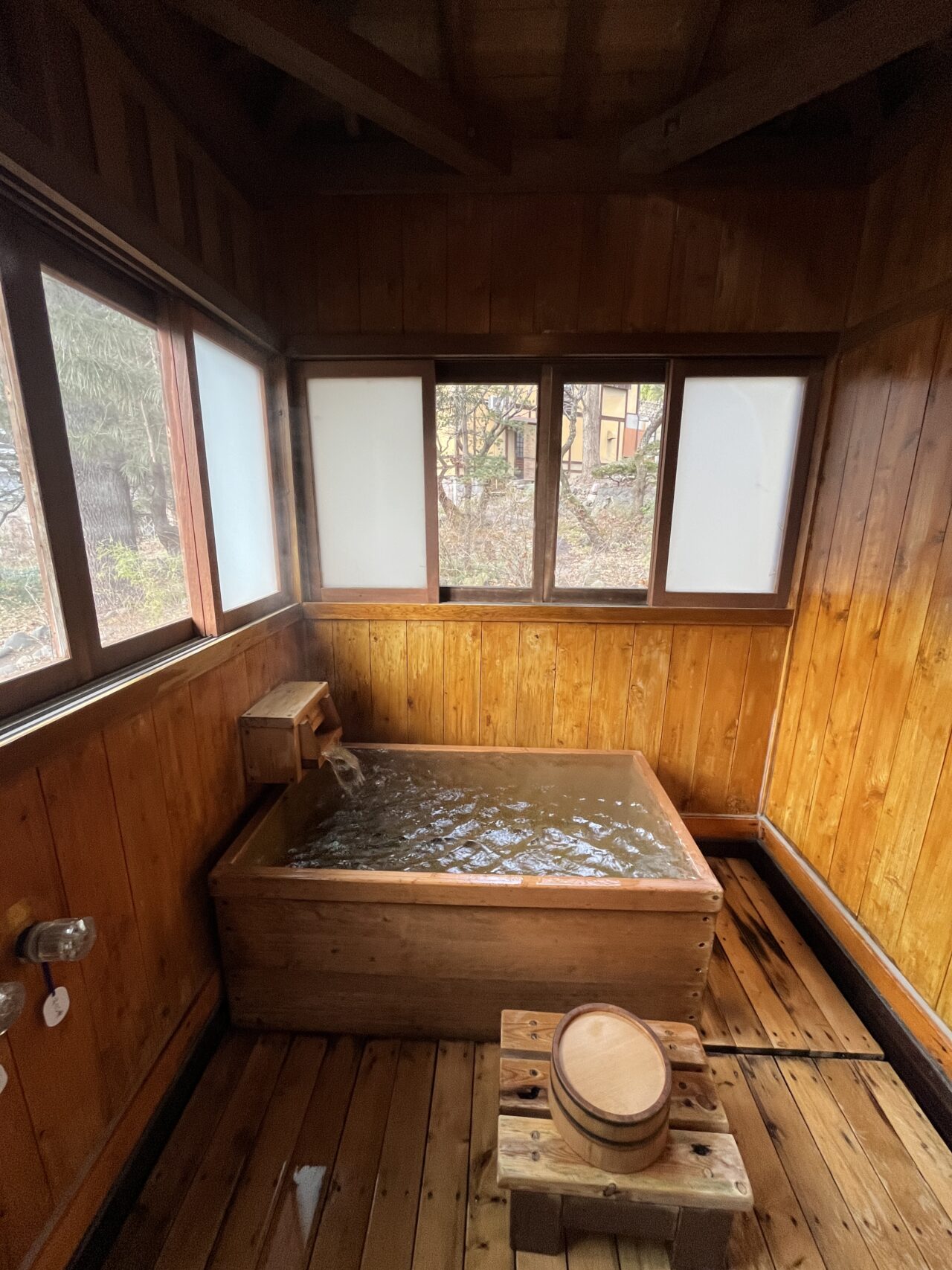
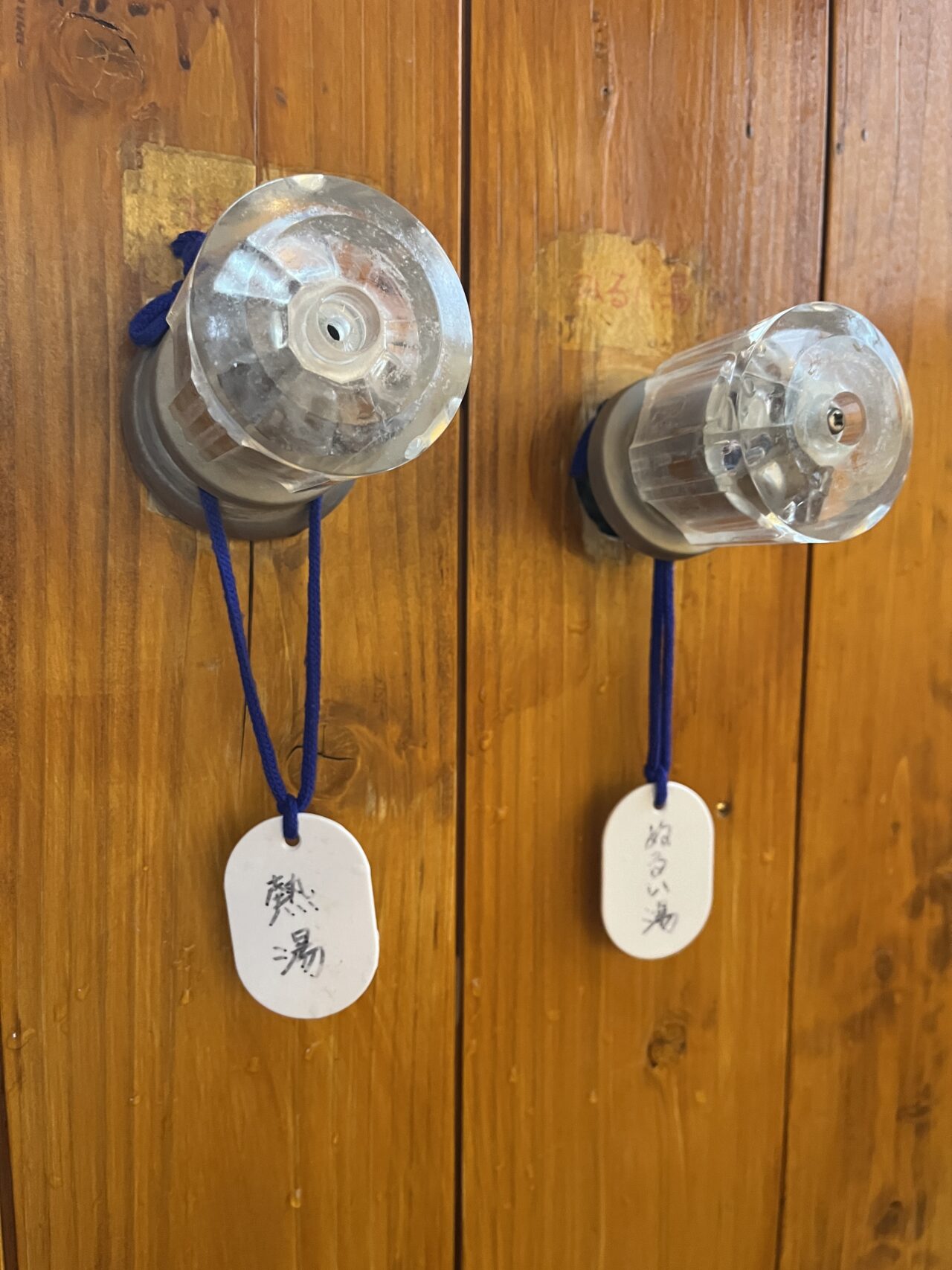
Left: A beautifully crafted wooden tub — small enough for two people, large enough to feel luxurious. Right: Two taps — hot spring water and cool source water — for adjusting to exactly the temperature you want.
The private bath is a standout. The wooden tub fits about two people and the constant fresh spring input means the water is always at its most potent. The option to blend cool source water and hot water gives you exact control over temperature — rare in Japanese onsen where water temperature is usually fixed. The cool tap is likely the unheated source spring, and mixing the two produces a silky, mineral-rich bath that feels genuinely restorative. The alkaline quality of the water gives it a slight slipperiness on the skin — a welcome sign of quality.
Dining — Refined Kaiseki in a Century-Old Room
Dinner and breakfast are both included in overnight stays and served in the historic dining building. The atmosphere — old wooden beams, quiet lighting, a sense of age and care — sets a tone that the food itself more than lives up to.
Dinner — A Full Kaiseki Course
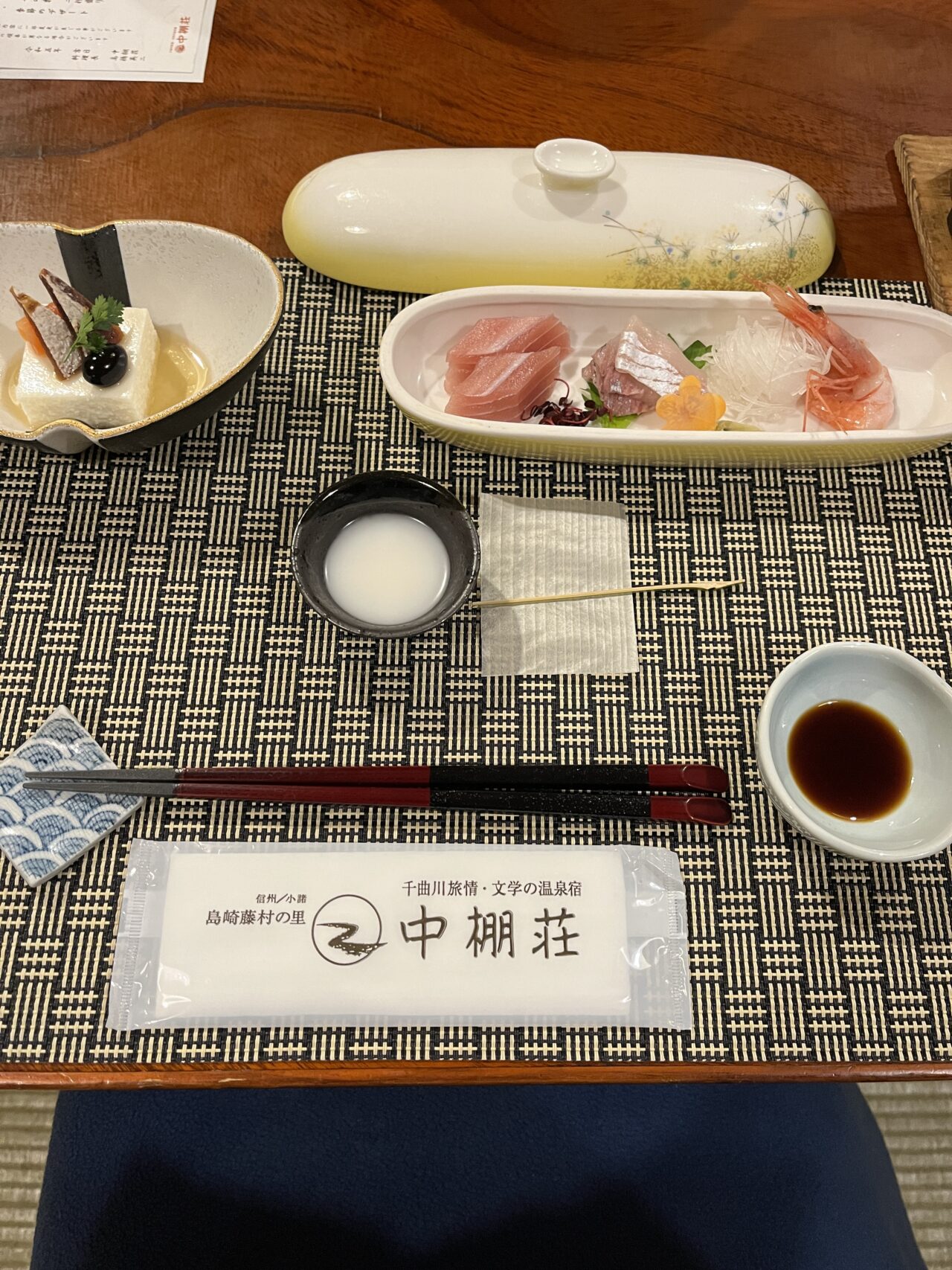
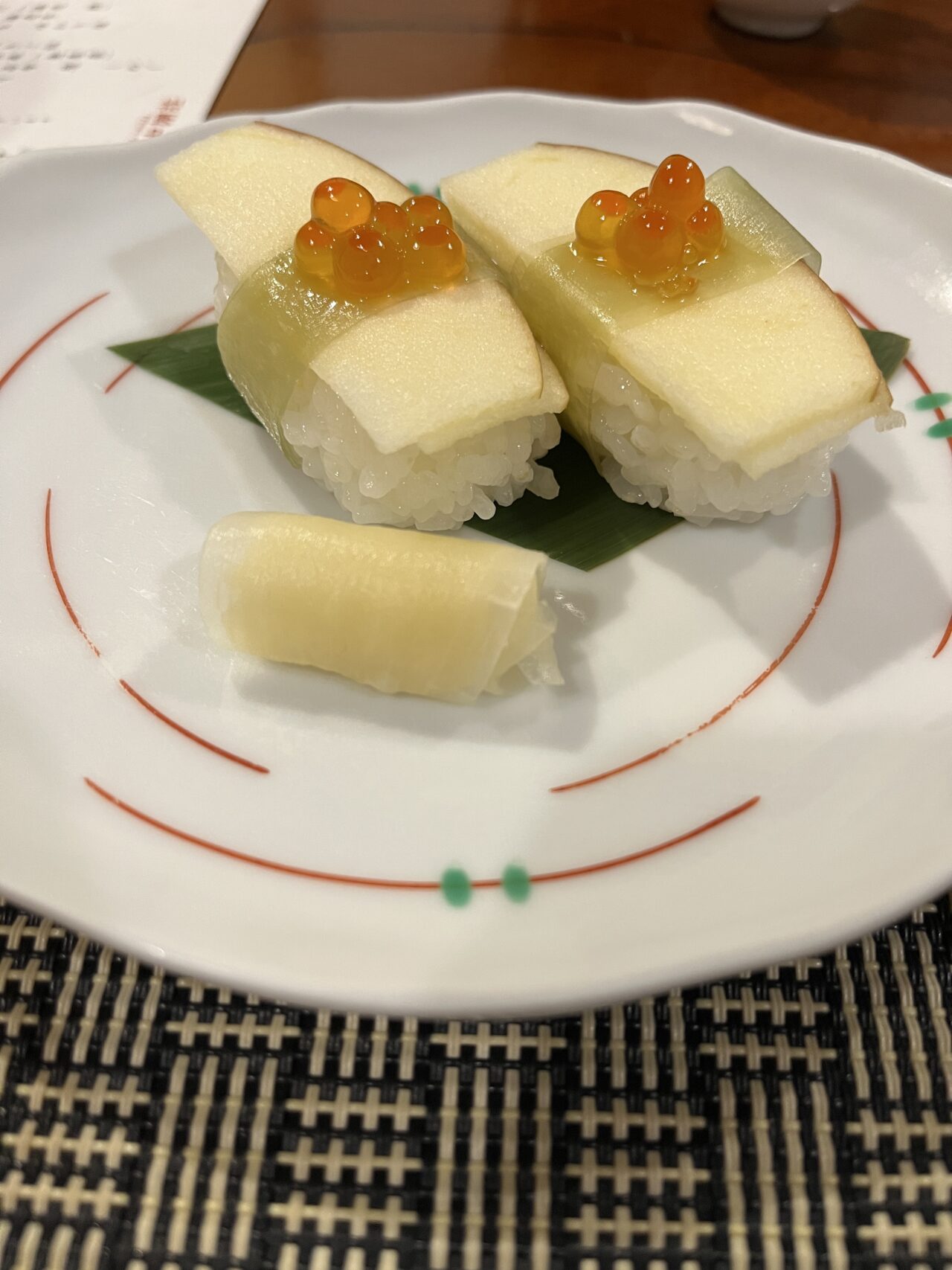
Left: Opening courses: sashimi, silken tofu, and a small glass of nigori sake (unfiltered rice wine). Right: Apple sushi — thin slices of local Shinshu apple on vinegared rice. An unexpected pairing that works more naturally than you might expect.
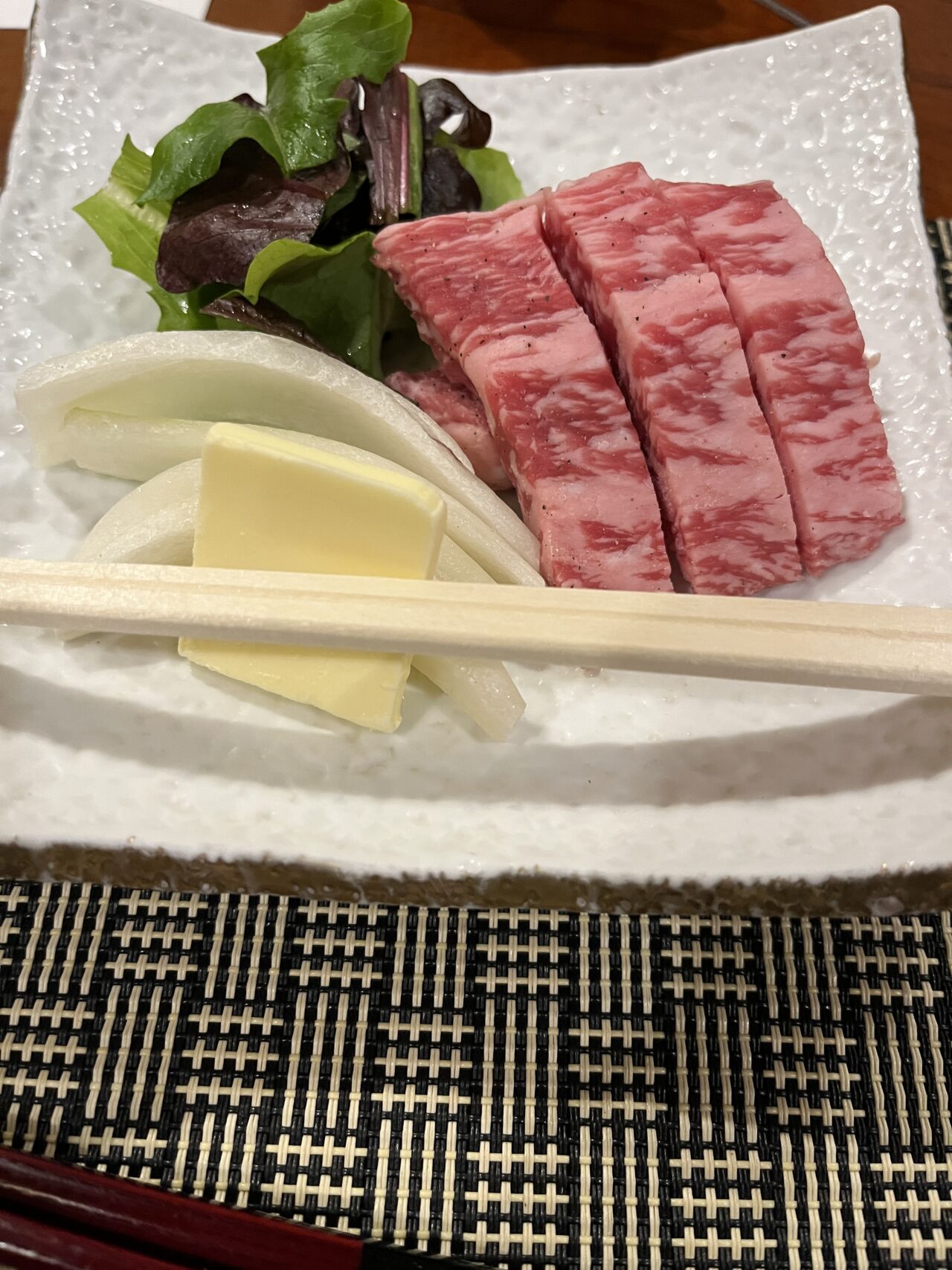
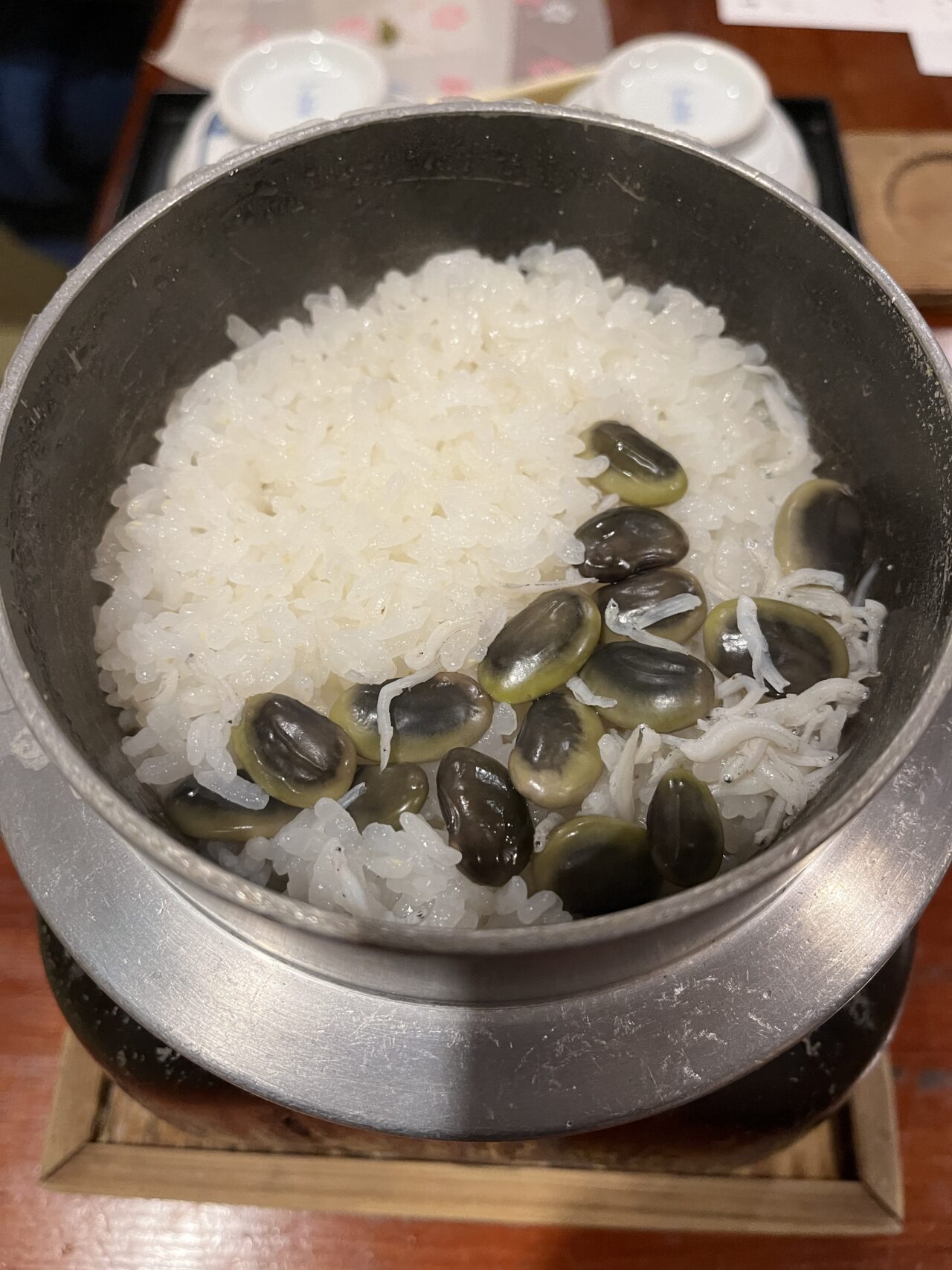
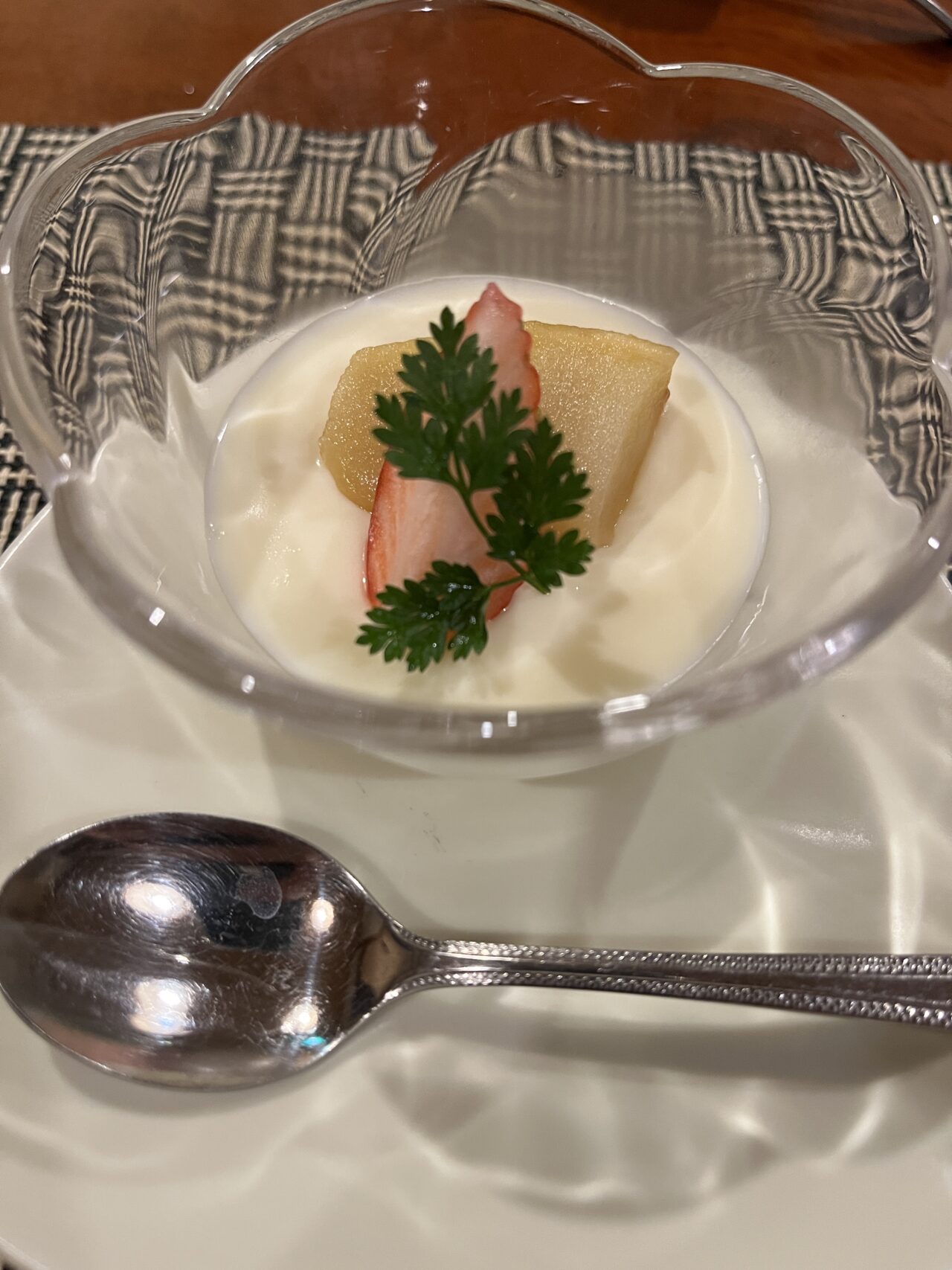
Left: Rice cooked with nori-mame (seaweed-seasoned beans) — lightly salted, simple, and exactly right as a course closer. Right: Dessert: annin dofu (almond-flavored tofu jelly) with seasonal fruit — delicate and perfectly composed.
Each dish arrives individually and is worth genuine attention. This is the kind of meal where the sequence matters — light to rich, clear to intense — and Nakadanasou manages it with a confidence that felt earned over many years of practice. The dining room itself, in the old building, adds considerably to the experience. Old wooden beams, quiet service, and a pace that encourages you to slow down and eat with full awareness.
Breakfast
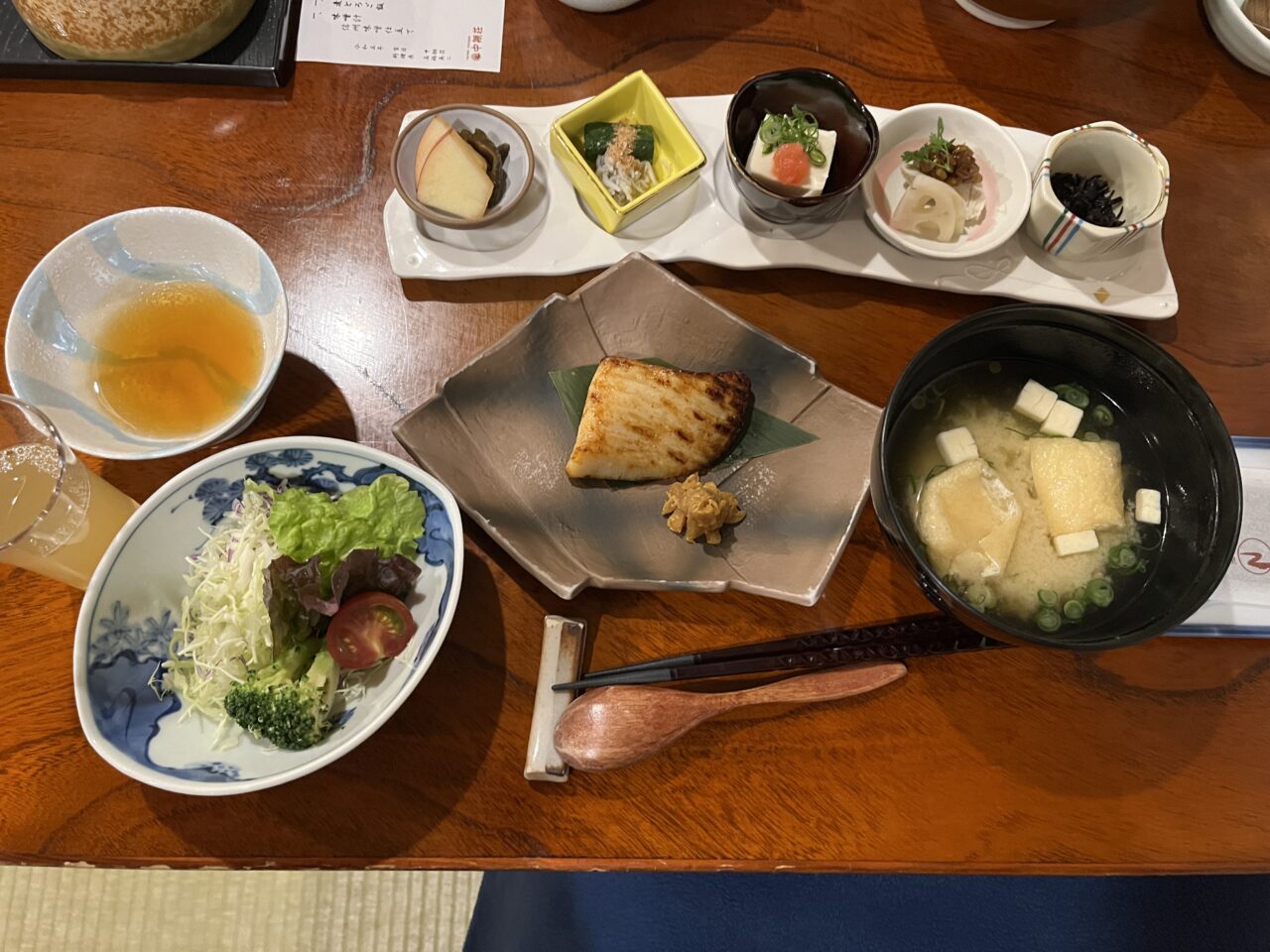
The saikyo-yaki fish alone would make the breakfast worth waking up for, but it’s the tororo that tends to disappear fastest. Grated raw mountain yam (yamaimo) over rice is one of those Japanese combinations that sounds simple and tastes extraordinary. The barley rice (mugi-gohan) provides a nutty, slightly chewy base that works better with the tororo than plain white rice. A proper way to begin a day that will likely involve more bathing.
Final Thoughts
What makes Nakadanasou memorable isn’t any single element — it’s the combination of all of them held together at the same high level. The apple bath is beautiful and genuinely unique. The outdoor warm spring is among the finest nuru-yu experiences in Nagano. The kaiseki dinner is exceptional. The staff are attentive without being intrusive.
I visited for the first time in 2012 and came back more than a decade later. Both times, I left wondering why I had waited so long. That, more than any individual detail, is the clearest endorsement I can give.
Nakadanasou is ideal for visitors who:
- Want a genuinely high-quality ryokan experience outside the usual tourist trail
- Are visiting Japan in autumn or winter and want to experience the seasonal apple bath
- Appreciate warm, gentle springs that allow long, leisurely soaking
- Are interested in Japan’s literary history and the Meiji/Taisho era
- Want a quiet, sophisticated inn within easy reach of Karuizawa or Matsumoto
▼Book your stay▼